
Press Hair 101: Silk Press, Press Perm & Everything Between
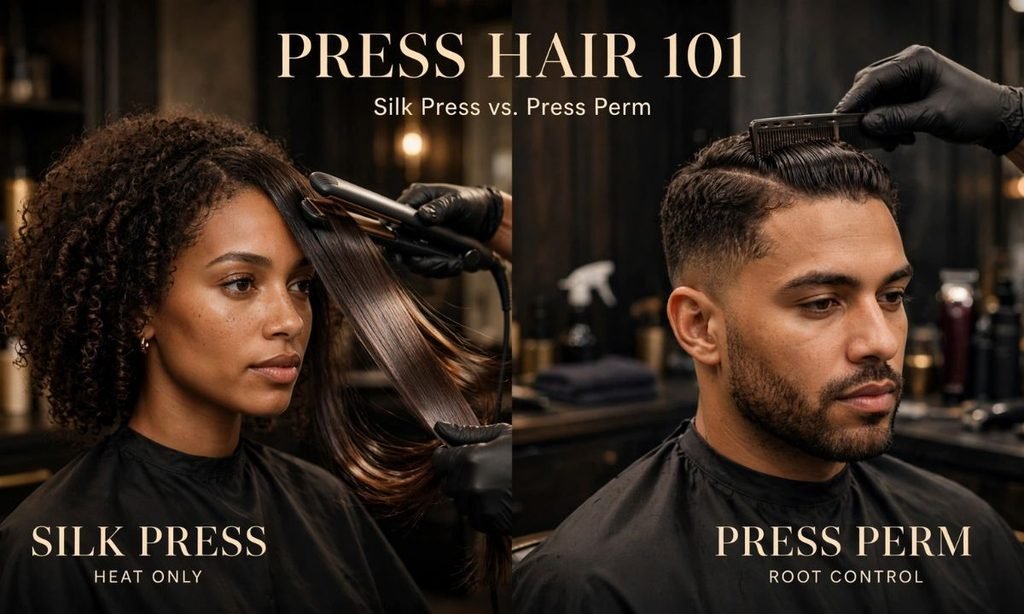
Ever wondered how curly hair turns bone straight without a single chemical touching it? Or why do some men walk out of the barber with cowlicks that just… lie down? Press hair covers both. Here’s what actually happens under the flat iron and the chemicals, and how to know which one fits your hair.
What Is Press Hair?
Press hair is a catch-all term for treatments that smooth or straighten textured hair, either with heat alone or with a light chemical assist. It’s not one technique. It’s a category that covers two very different services.
The first is the silk press, a heat-only method built for curly, coily, and kinky hair. The second is the press perm, a chemical treatment mostly used on straighter or coarser hair to tame stubborn roots. Both aim for smoother, flatter hair, but they work on completely different parts of the strand and for different reasons.
Knowing which one you actually need matters. Ask for the wrong one, and you’ll either pay for a treatment that doesn’t touch your real problem, or damage hair that didn’t need chemicals in the first place.
Silk Press: The Heat-Only Straightening Method
What Makes It a “Silk” Press?
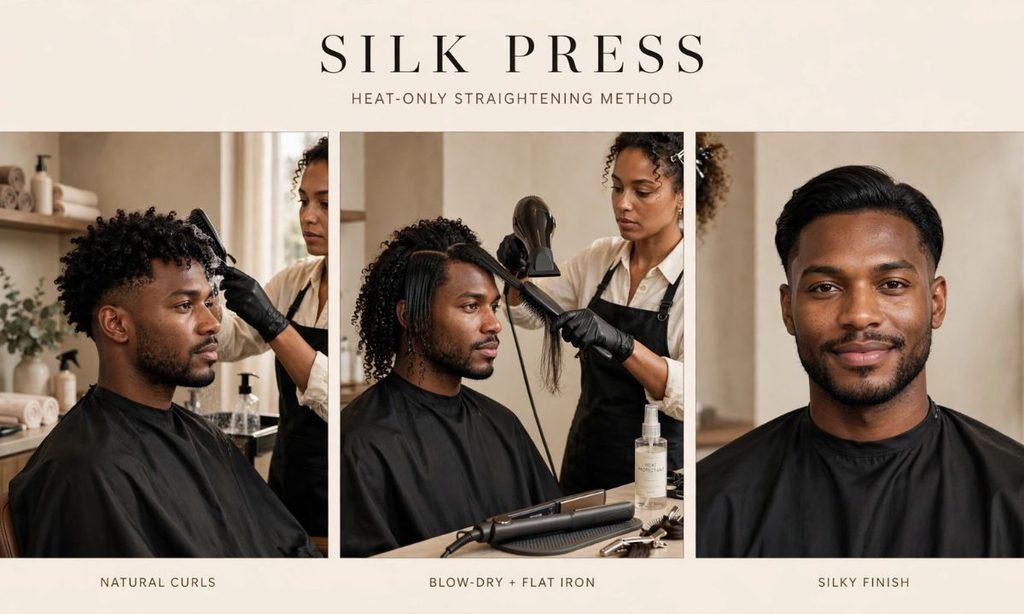
A silk press is a chemical-free straightening technique built specifically for curly, coily, and kinky hair. It combines a thorough blow-dry with a second thermal step: flat ironing.
That second step is the whole point. A regular blow-dry alone leaves some texture behind. Running a flat iron over already-stretched hair afterward is what creates the silky, reflective finish the technique is named for.
It’s temporary by design. Water reverses it. Wash your hair, and your natural curl pattern comes right back, which is exactly why so many people choose it over anything permanent.
How a Silk Press Actually Works
The process follows a fairly consistent order, no matter which stylist does it.
Wash and detangle with a moisturizing shampoo and conditioner, working out knots before any heat touches the hair.
Blow-dry in sections using a paddle brush to stretch each piece straight, which does most of the actual straightening work.
Apply heat protectant generously before any flat iron touches the hair, sometimes in more than one layer.
Flat iron small sections slowly, at a controlled temperature, until every section has been touched.
Style the finish either straight or with soft curls added back in at the ends.
Skipping the blow-dry step and going straight to a flat iron is what separates a rushed straightening job from an actual silk press. The stretching phase is what gives the final result its body and movement instead of a flat, ironed-out look.
Who Should Get a Silk Press
Silk press works best on natural curl patterns that need occasional straightening without a long-term commitment.
Best For: Curly, coily, or kinky hair that’s healthy enough to handle regular heat exposure.
Skip It If: You swim or sweat heavily on most days, since moisture undoes the style fast.
Good Fit For: Anyone who wants to switch between straight and curly looks without a chemical commitment.
Hair condition matters more than hair type here. Already-damaged or overly dry hair won’t hold a silk press well and risks further breakage under the heat.
Silk Press Benefits and Trade-Offs
The appeal is straightforward: no chemicals, no permanent change, and a finish that photographs well.
That said, it’s not without downsides. Humidity is the biggest enemy, since even a little moisture in the air can cause partial reversion within a day. It also demands a real-time investment at the salon, generally somewhere between 90 minutes and two hours for a full treatment.
Heat exposure adds up over time too. A single silk press, done correctly with proper protectant, shouldn’t cause noticeable damage. Getting one every week without giving hair a break is a different story.
How Long a Silk Press Lasts
Most silk presses hold up for one to two weeks with proper care. Water is the main trigger for reversion, whether that’s rain, steam from cooking, sweat, or an actual wash.
Sleeping with hair wrapped in silk or satin extends the style noticeably. So does staying away from steamy showers and skipping the gym for the duration. Hair porosity plays a role too. Low-porosity hair tends to hold a press longer than high-porosity hair, which absorbs ambient moisture faster.
Press Perm: Chemical Root Correction
What a Press Perm Actually Does
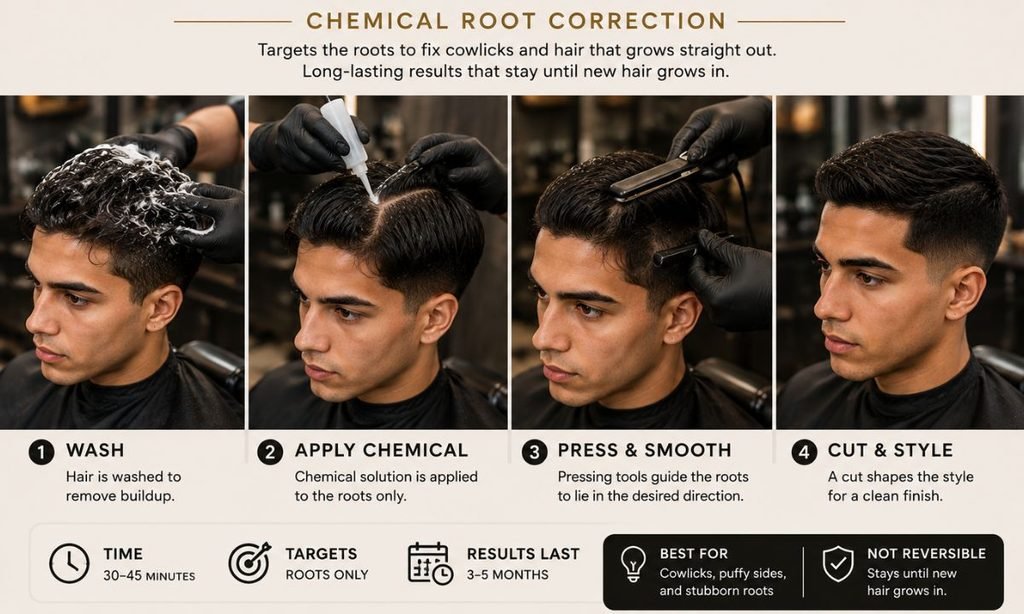
A press perm is a chemical treatment that targets the roots specifically, not the whole strand. It’s built to fix hair that grows straight out instead of lying flat, like stubborn cowlicks or puffy sides that never sit right no matter how it’s styled.
You’ll sometimes hear it called a pressed perm, boys’ perm, or nick perm, depending on where you get it. All of them describe roughly the same process: applying chemicals to the root area, then using pressing tools to realign the direction hair grows in.
Unlike a silk press, this isn’t reversible with water. Once the roots are chemically altered, they stay that way until new hair grows in.
How a Press Perm Is Done
The process is quicker than most people expect, especially compared to a full silk press.
Hair is washed first, usually as part of the same visit.
A chemical solution is applied to the roots only, avoiding the mid-lengths and ends.
Pressing tools flatten and smooth the treated sections, guiding hair to lie in the desired direction.
A cut typically follows to finish shaping the overall style.
Fine hair usually takes around 30 minutes. Coarser or thicker hair can run closer to 45 minutes, since the chemical needs longer contact time to take hold.
Who Benefits Most From a Press Perm
This treatment solves a specific, narrow problem, so it’s not for everyone.
Best For: Hair with stubborn growth patterns at the crown or hairline that won’t stay down with styling alone.
Not Necessary For: Hair that’s already straight and lies flat without help.
Consider It If: You’re tired of daily styling just to control one section of hair.
It’s especially common as a fix for cowlicks that make a short haircut look uneven, since a stylist can target just the problem area instead of chemically treating the entire head.
Press Perm Longevity and Upkeep
A press perm typically lasts three to five months, depending on how fast your hair grows. Since it only affects the roots, new growth will eventually revert to its natural direction, which is when a touch-up becomes necessary.
The first 48 hours matter most. Avoid washing, heavy sweating, or tight hats during that window so the chemical treatment has time to fully set. After that, daily care is minimal. Most people just wash and go, with the treated roots naturally lying flat.
Silk Press vs. Press Perm: Key Differences
These two treatments get confused constantly, so here’s a direct comparison.
| Factor | Silk Press | Press Perm |
| Method | Heat only | Chemical |
| Target | Entire strand | Roots only |
| Permanence | Temporary, washes out | Semi-permanent, grows out |
| Duration | 1-2 weeks | 3-5 months |
| Best for | Curly/coily/kinky hair | Stubborn cowlicks, growth patterns |
| Daily upkeep | Higher (avoid moisture) | Lower (low maintenance) |
The simplest way to remember it: a silk press changes how hair looks until you wash it. A press perm changes how hair grows until it grows out.
Press Hair vs. Other Straightening Treatments
It helps to know where press hair fits next to other common salon treatments, since a lot of people confuse them.
Silk Press vs. Relaxer: A relaxer permanently alters the hair’s structure using strong chemicals and requires touch-ups on new growth indefinitely. A silk press changes nothing structurally and washes out completely.
Silk Press vs. Keratin Treatment: Keratin treatments use chemical bonding agents and last three to five months, closer to a press perm’s timeline. A silk press relies entirely on heat and lasts weeks, not months.
Silk Press vs. Blowout: A blowout stops at the blow-dry stage. A silk press adds the flat iron step afterward, which is what creates that extra-smooth, glassy finish.
Press Perm vs. Traditional Perm: A traditional perm adds curl and volume. A press perm does the opposite, flattening and smoothing hair that already grows in an unwanted direction.
How to Get the Best Results From a Press Hair Treatment
Prepping Your Hair Beforehand
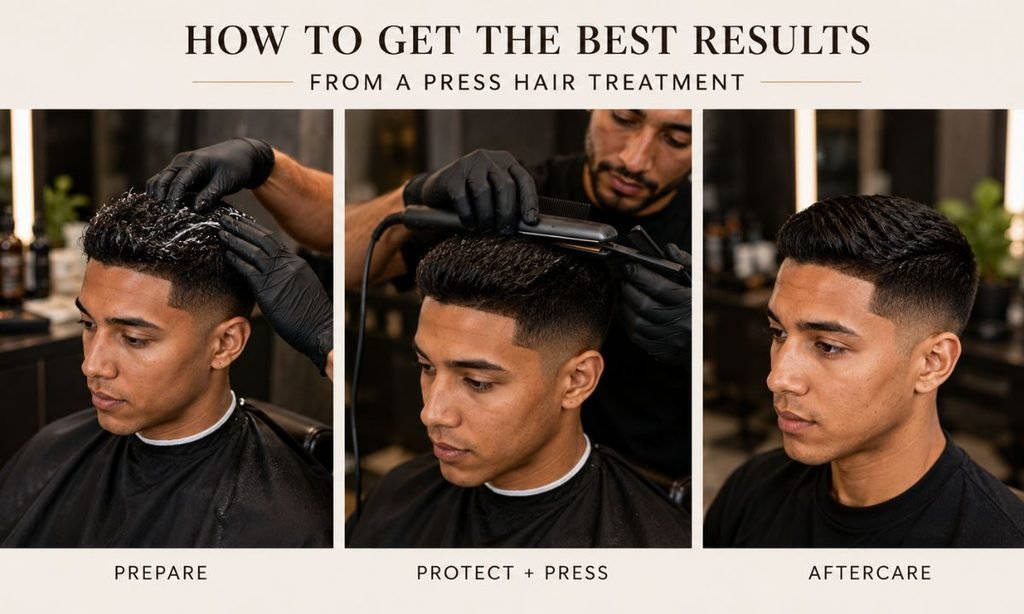
Healthy hair takes a press better than damaged hair, no matter which type you’re getting.
For a silk press, come in with clean, deep-conditioned hair whenever possible. Dry, brittle strands are more prone to heat damage and won’t hold the style as long. For a press perm, avoid other chemical treatments in the weeks leading up to your appointment, since layering chemicals on top of each other increases the risk of breakage.
Talking to Your Stylist
Bring specifics, not vague requests. For a silk press, mention how straight you want the finish and whether you want soft curls added at the ends. For a press perm, point out exactly which section bothers you, whether that’s the crown, the hairline, or one stubborn side.
A good stylist will also ask about your hair’s current condition and recent chemical history before starting either treatment. If they don’t ask, bring it up yourself.
Protecting the Results at Home
For a silk press, wrap your hair at night with a silk or satin scarf, and keep it away from steam and humidity as much as possible. A light oil or serum can refresh shine between washes without undoing the straightness.
For a press perm, the routine is simpler. Once the initial 48-hour window passes, just wash normally with a gentle shampoo. There’s no daily upkeep required to maintain the shape itself, since the chemical treatment is doing that work at the root.
Choosing Between the Two
If your whole head of curly or coily hair needs occasional straightening, a silk press is the answer. If it’s one stubborn section, usually at the crown or hairline, that won’t behave no matter what you do to the rest of your hair, a press perm solves that specific problem instead.
Some people end up using both over time, depending on what they’re dealing with. A press perm for a persistent cowlick and a silk press whenever they want their overall curl pattern smoothed out for an event or a few weeks of easier styling.
Neither one is objectively “better.” They’re built for different hair problems entirely.
Common Mistakes to Avoid
A few missteps show up again and again with both treatments.
- Skipping heat protectant on a silk press, which speeds up damage even with a single session.
- Washing too soon after a press perm, undoing the chemical set before it fully takes hold.
- Choosing the wrong treatment for the actual problem, like getting a full silk press when only the roots needed fixing.
- Ignoring hair condition going in, since already-damaged hair handles either treatment worse than healthy hair does.
- Over-scheduling silk presses back-to-back without letting hair recover between heat sessions.
Most of these come down to rushing the process or picking the flashier option instead of the one that actually matches your hair’s problem.
Frequently Asked Questions
Does a silk press damage curly hair?
Done correctly with heat protectant and moderate temperatures, a single silk press shouldn’t cause noticeable damage, though repeated heat use without breaks can.
Can I wash my hair after a press perm right away?
No, wait at least 48 hours so the chemical treatment has time to fully set at the roots.
Is a press perm the same as a relaxer?
No, a press perm targets only the roots to fix growth direction, while a relaxer chemically straightens the entire strand.
How often can I get a silk press?
Most people space silk presses out every one to two weeks to give hair a break from heat exposure between sessions.
Will my curls come back after a silk press?
Yes, curls fully return once hair is washed, since a silk press uses heat alone and doesn’t change hair’s natural structure.
Conclusion
Press hair isn’t one treatment; it’s two very different tools for two very different problems. A silk press smooths your whole head temporarily using heat alone, perfect for anyone who wants straight hair without giving up their natural curl pattern for good.
A press perm chemically corrects stubborn roots that won’t lie flat, offering a longer-lasting fix for a narrower issue. Match the treatment to what your hair actually needs, take the aftercare seriously, and either one can deliver results that hold up without unnecessary damage along the way.
-
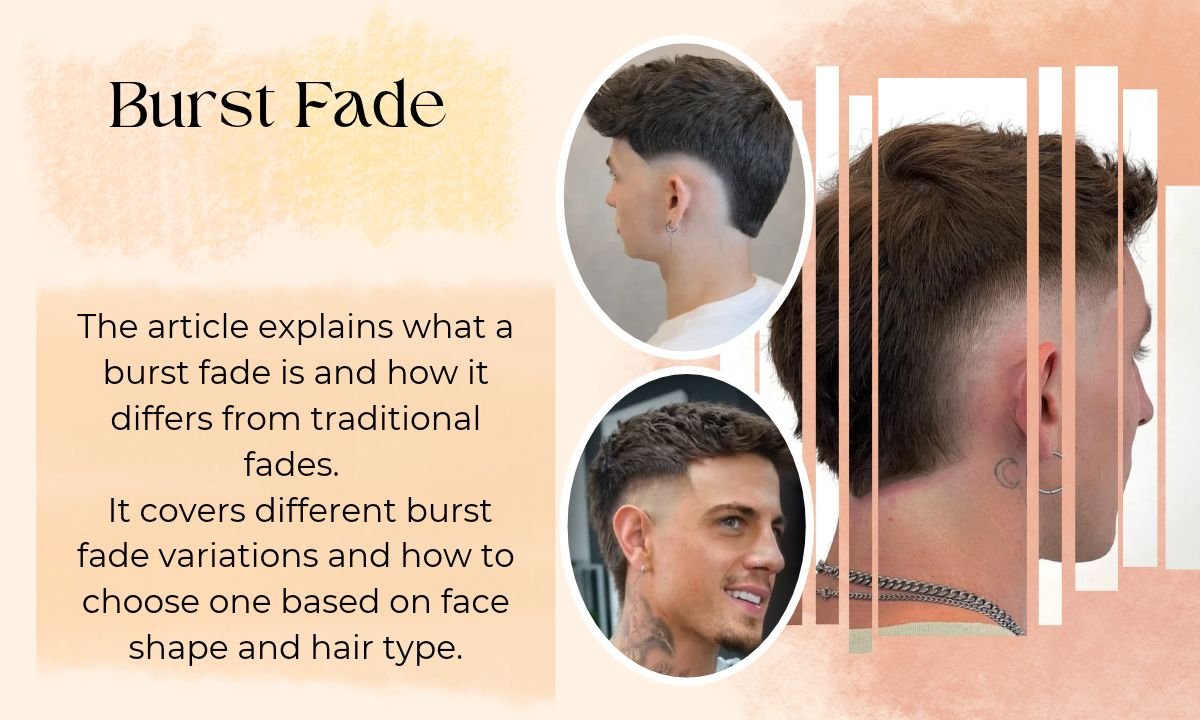
Burst Fade: The Complete Guide to This Modern Haircut
A burst fade is a stylish haircut that creates a curved fade around the ears. It keeps more length at the back while making the sides look clean and sharp. This versatile fade works with short, medium, curly, wavy, and textured hairstyles. You can combine it with a crop, quiff, mullet, pompadour, or longer…
-
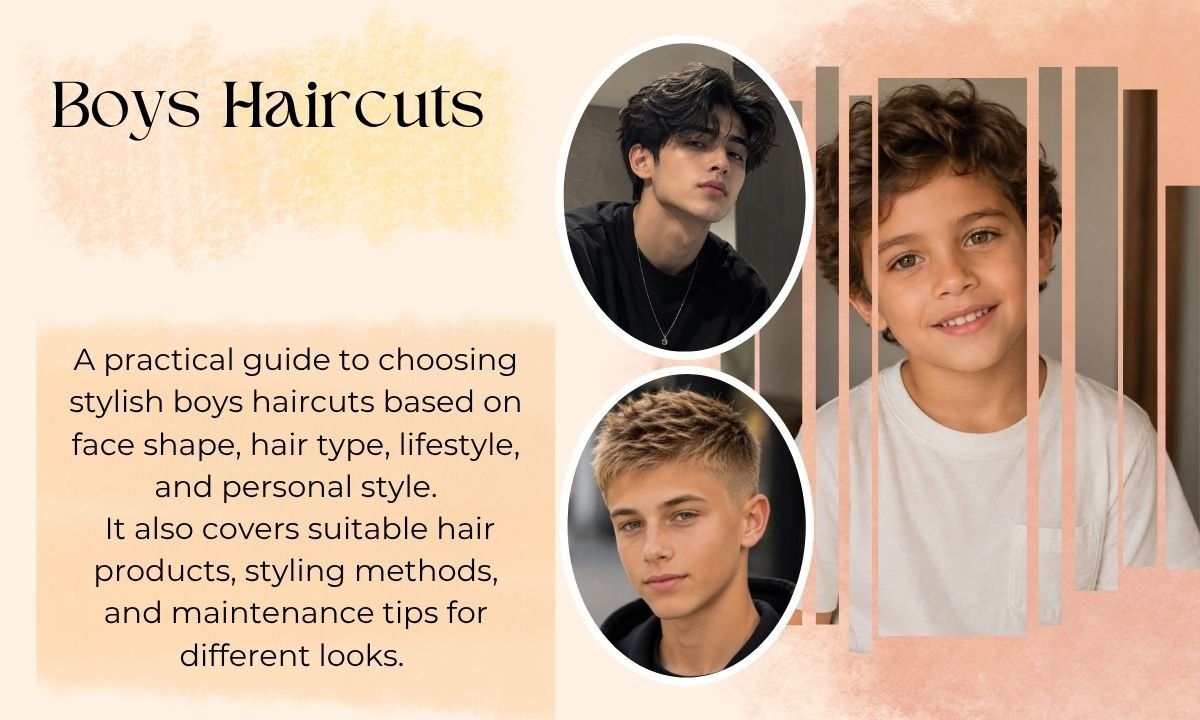
25 Best Boys Haircuts for 2026: Trendy Styles, Products & Tips
Finding the right boy’s haircut can make a big difference in how a child looks and feels. From short and clean cuts to longer, textured styles, there are many great options to choose from. Some boys prefer an easy style that needs little daily care, while others enjoy more trendy looks. The best haircut…
-
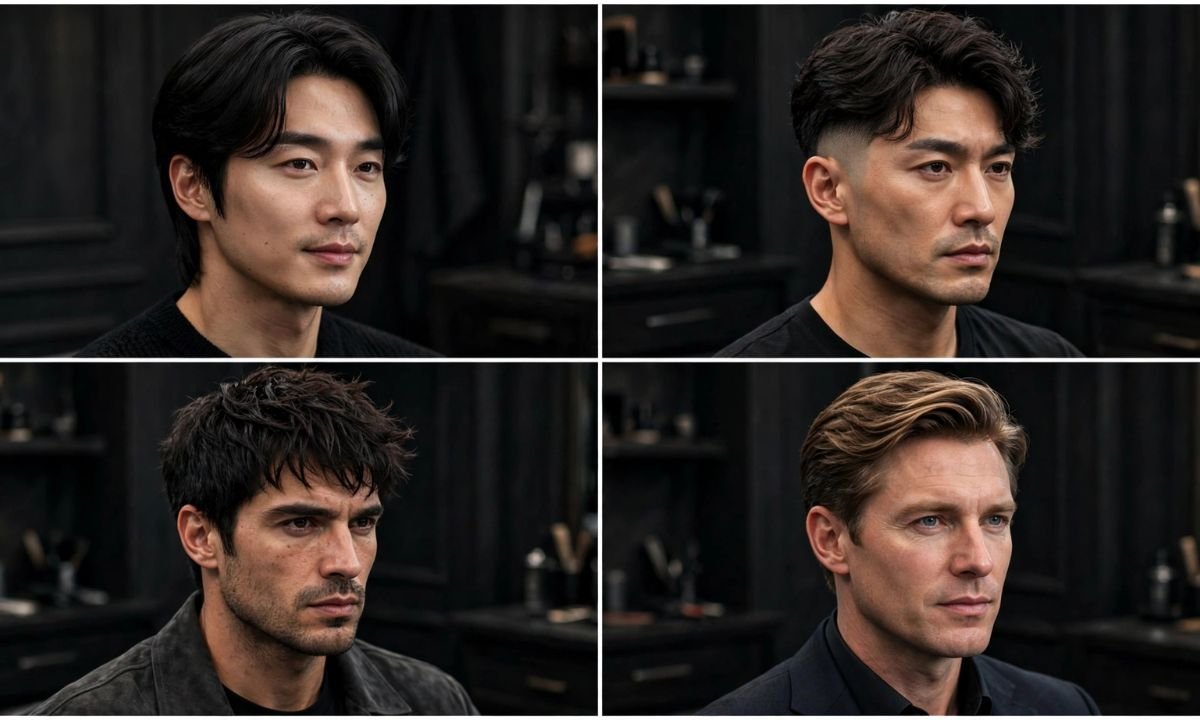
25 K-Pop Wolf Cut Styles: The Complete Guide for Men
Ever notice how half your favorite idols have the same messy, layered hair? That’s not an accident. It’s the wolf cut, and it’s taken over K-pop for a reason. Here’s every version worth knowing, plus how to actually get one that suits you. What Makes a Wolf Cut “K-Pop” Style? A regular wolf cut…
-
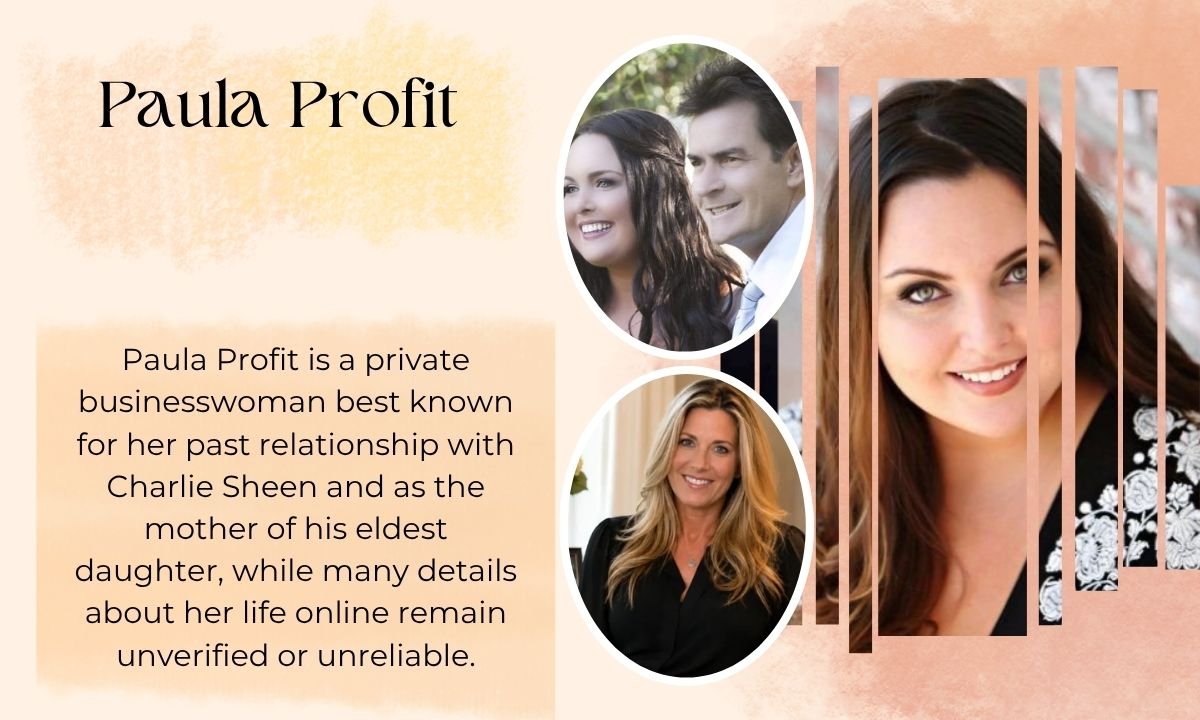
Paula Profit: Charlie Sheen’s Former Girlfriend and Businesswoman
She’s been called a businesswoman, a mother, and a footnote in someone else’s fame. But almost nobody agrees on the facts of her life. So who is Paula Profit, really, and how much of what’s online about her can you actually trust? This guide sorts the confirmed from the rumored and tells you exactly…
-
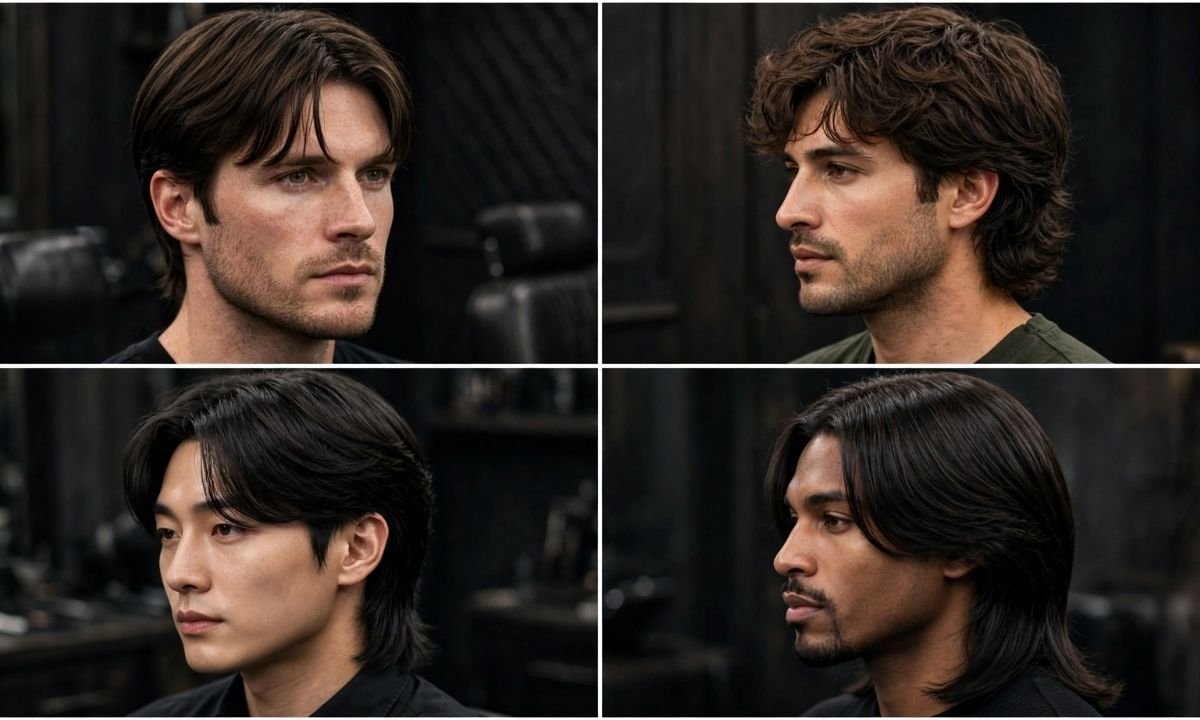
Top 15 Modern Curtain Mullet Styles to Try in 2026
Ever wondered why one haircut keeps showing up on every K-pop stage and street-style feed? The modern curtain mullet isn’t a trend anymore — it’s the default. One cut, dozens of versions, and almost every face shape can wear it. Here’s the full breakdown, style by style. What Is a Modern Curtain Mullet? A…
-
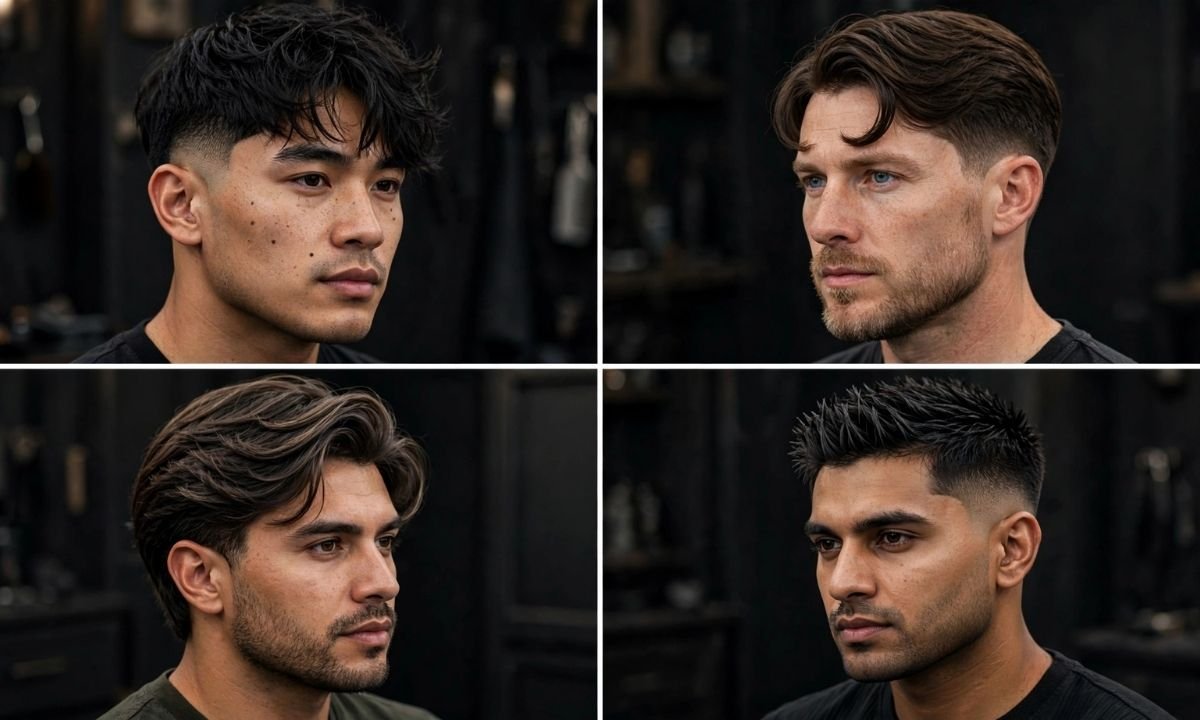
Top 15 Two Block Taper Fade Haircuts for Men
Long on top, short at the sides, and blended so smoothly you barely notice the transition. This one Korean-born haircut has quietly taken over barbershops everywhere. Here’s every version worth screenshotting before your next appointment. What Is a Two Block Taper Fade? The two block haircut started as a strict two-length style: a full,…
-
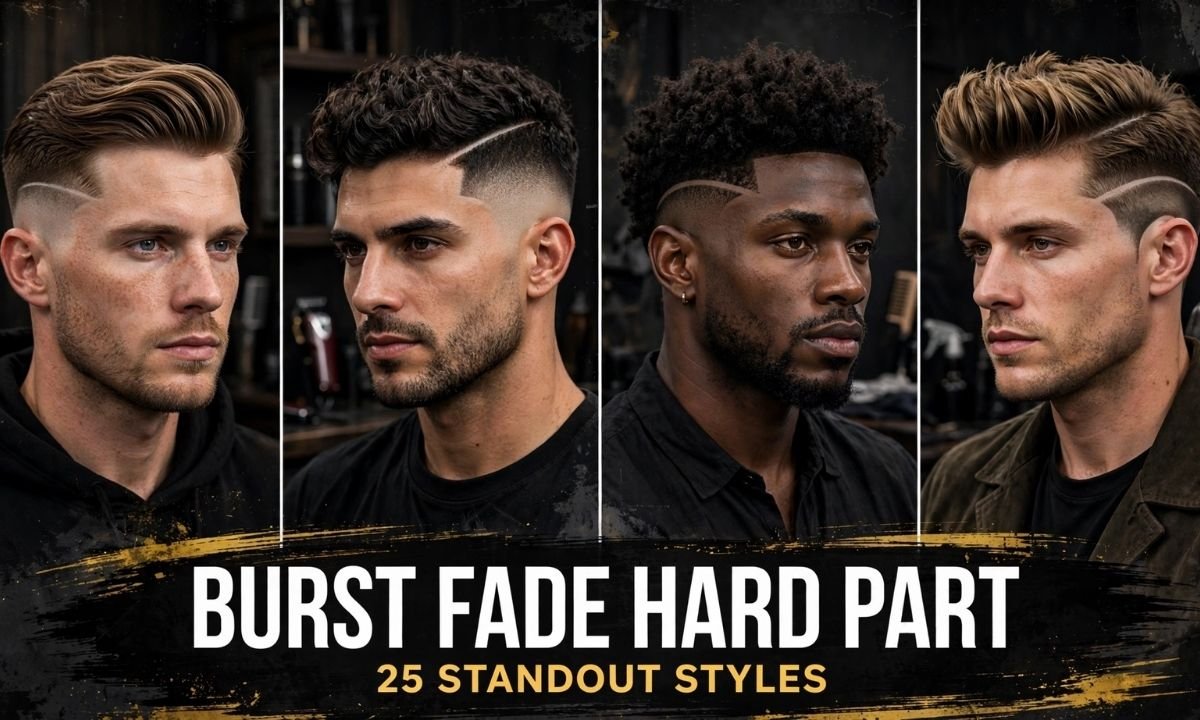
Best Burst Fade Hard Part Haircut: 25 Standout Styles
A clean shaved line. A smooth fade that curves neatly around the ear. Put those two details together, and you have a burst fade hard part haircut that instantly grabs attention. It has that fresh-from-the-barber look, but you can style it in plenty of ways to match your personality. Keep the top short and…
-
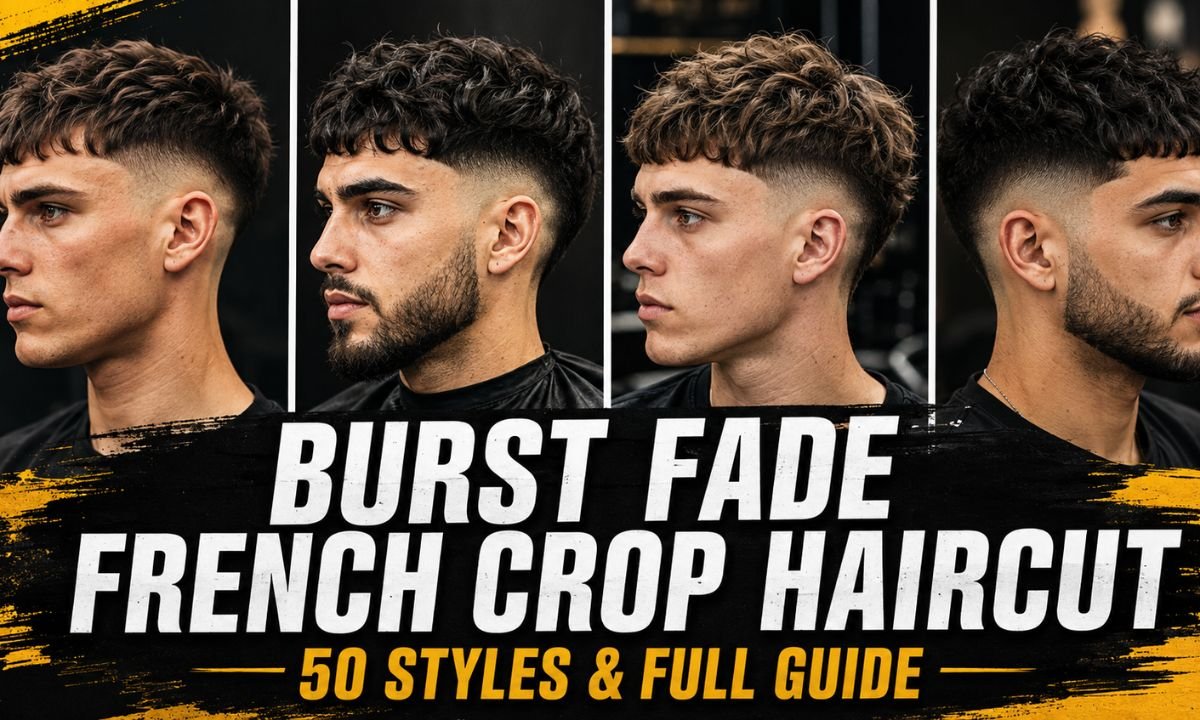
Burst Fade French Crop: 50 Styles, Ideas And Complete Guide
Ever wonder why some French crops look sharp for weeks while others go shapeless after a few days? The difference almost always comes down to the fade. Pair the right burst fade with the right crop, and you get a cut that holds its shape, flatters your face, and barely needs styling. Here’s everything…
-
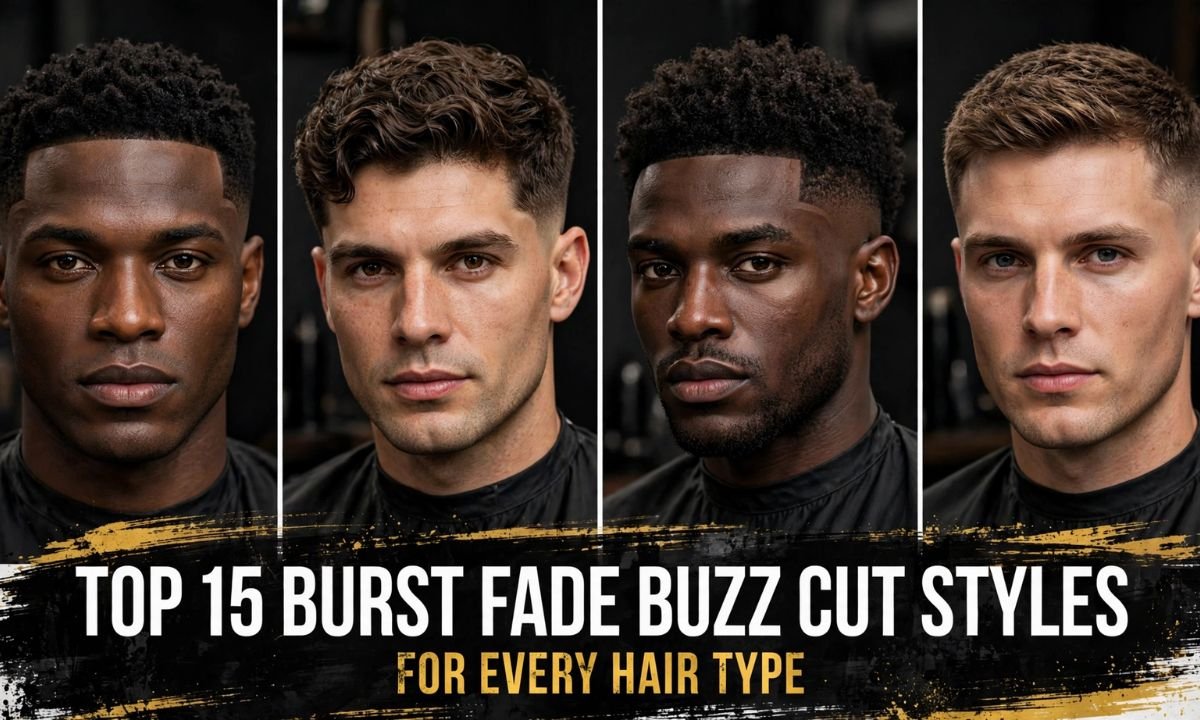
Top 15 Burst Fade Buzz Cut Styles for Every Hair Type
Ever notice how some buzz cuts look sharp from every angle, while others go flat the second you turn your head? The secret is usually a burst fade. It’s the small detail barbers use to turn a basic buzz into a cut with real shape and contrast. What Is a Burst Fade Buzz Cut?…
-
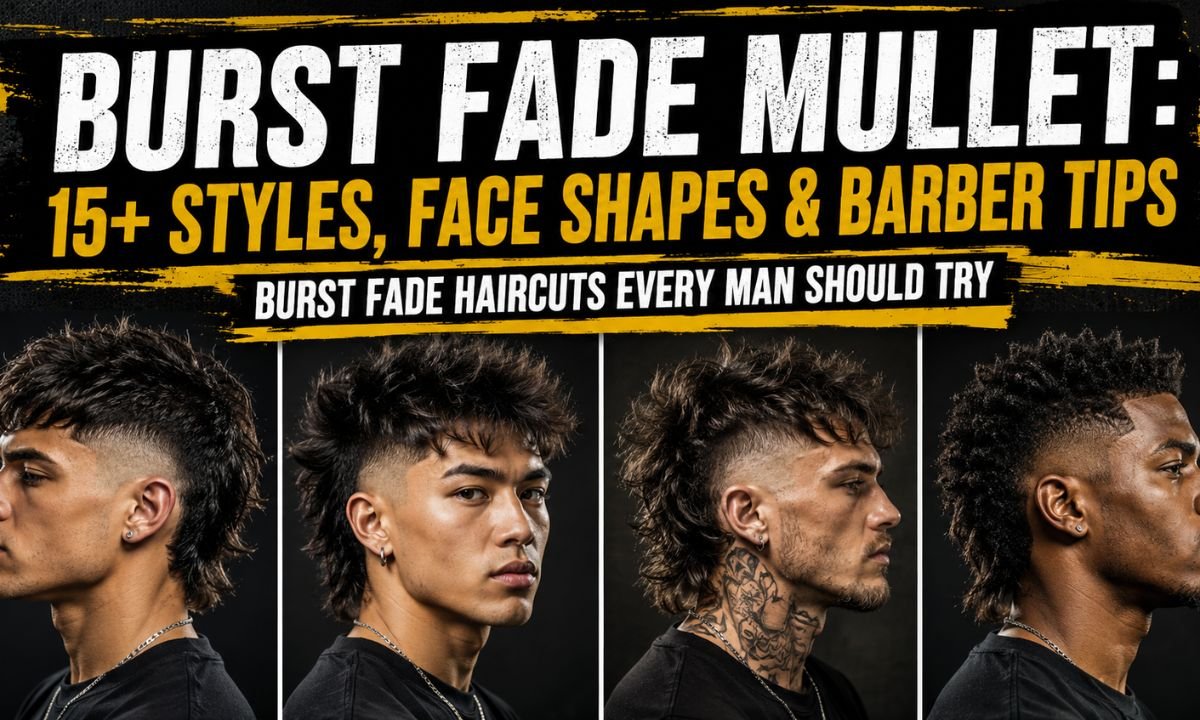
Burst Fade Mullet: 18 Styles, Face Shapes & Barber Tips
Ever notice how the best mullets don’t look like accidents anymore? There’s a shape doing the work behind the scenes. That shape is the burst fade, and once you see it, you can’t unsee it. Here’s everything you need to pick your version and describe it correctly in the chair. What Is a Burst…