
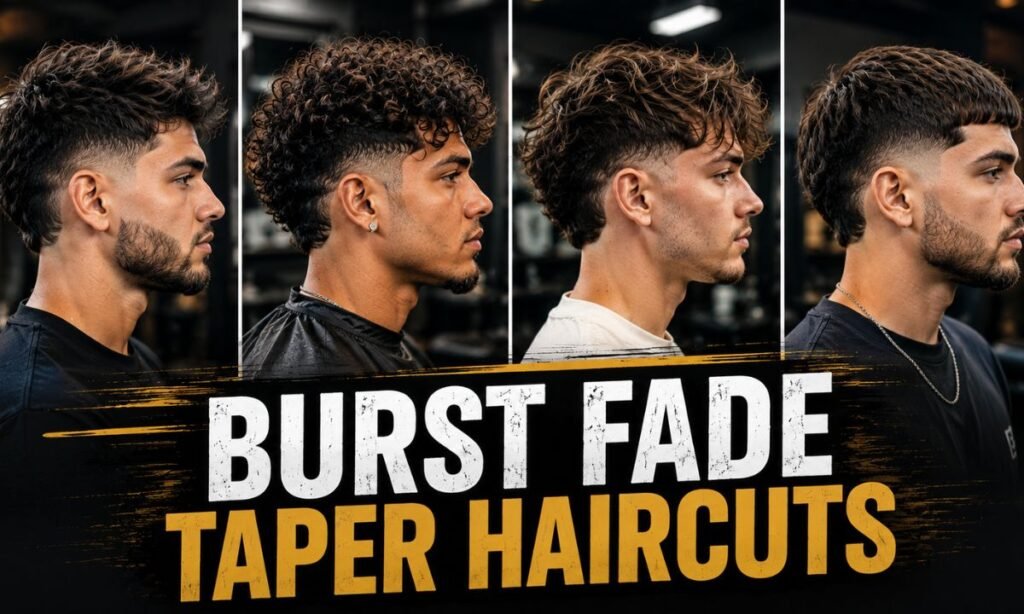
A burst fade taper haircut blends a curved, ear-hugging fade with a soft taper finish for a clean but natural look. It works for nearly every hair type and face shape, which is why barbers get asked for it so often.
This guide breaks down what the cut actually is, how to choose the right version, and how to keep it looking sharp between visits. You’ll also get clear language to use in the barber chair so you get the exact result you want.
What Is a Burst Fade Taper Haircut?
A burst fade taper haircut combines two clipper techniques into one cut. The fade portion curves around the ear in a rounded, half-moon shape instead of running in a straight line down the side of the head. The taper portion softens the hairline at the neck and sideburns, so the transition into skin feels gradual rather than abrupt.
The result is a cut that looks bold from the front but stays wearable and low-key from the back. Because the burst curve sits close to the ear, more length is preserved behind it, which gives the top and back room for texture, waves, or longer styling.
Types of Fade Haircuts
Not every fade is a burst fade, and knowing the difference helps you communicate clearly with your barber.
A standard fade runs in a straight, vertical line from the sideburn down to the neckline, fading evenly across the whole side of the head. A drop fade curves downward behind the ear, dropping lower at the back of the head rather than staying level.
A burst fade does the opposite of a drop fade — it curves upward and around the ear, keeping the back length higher and fuller.
A taper, unlike any of these, doesn’t fade all the way to skin. It shortens gradually near the hairline and sideburns while leaving the rest of the head untouched, which is why tapers read as more conservative.
A burst fade taper borrows the curved shape of the burst fade but blends it more gently, without the high-contrast skin finish some fades use.
Burst Fade Taper Styles by Hair Type
Hair texture changes how a burst fade taper sits, moves, and holds shape. The three variations below are shaped around straight, curly, and coily textures so the cut works with your natural pattern instead of against it. Each one uses different tools and products to get the best result.
Burst Fade Taper for Curly Hair
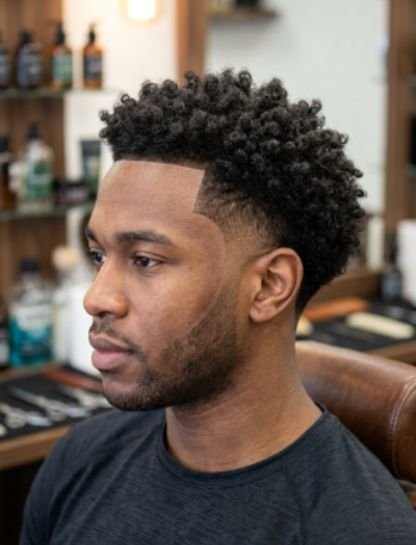
How to Style: Apply product to damp curls, scrunch upward for definition, and let them air-dry or diffuse on low heat.
Best For: Men who want their natural curl pattern to stand out instead of being smoothed down.
Face Shape: Works well on round and square faces, since curl volume adds visual height.
Hair Type: Built specifically for curly and wavy textures with natural spring.
Barber Instructions: Ask for a mid-burst fade with the top left at two to three inches for curl bounce.
Hair Density & Volume: Thick curls hold shape well; fine curls may need a lightweight cream to avoid flatness.
Maintenance & Budget: Trim every three to four weeks; moderate daily effort with curl-specific products.
Beard Integration: Pairs naturally with a full beard for a balanced, textured look.
Hairline & Cowlicks: Curl pattern often hides minor cowlicks near the crown.
Lifestyle & Profession: Suits creative and casual settings better than strict corporate dress codes.
Hair Products Needed: Curl cream for definition and a light-hold gel to prevent frizz.
Growth Cycle: Curls tighten as they grow, so shape stays intact longer than straight hair.
Scalp Health: Curly scalps can dry out faster; a hydrating conditioner helps prevent flaking.
Burst Fade Taper for Straight Hair
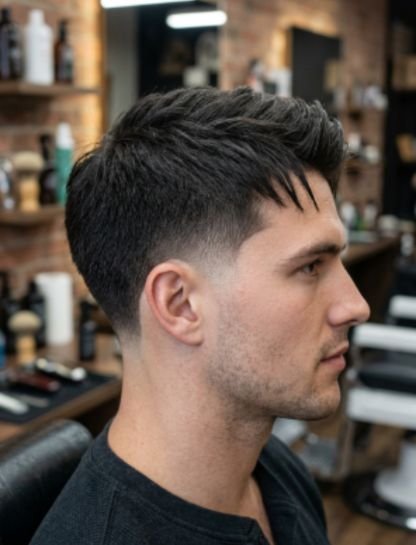
How to Style: Blow-dry with a round brush for lift, then set with a light matte paste.
Best For: Men who want sharp lines and a controlled, structured finish.
Face Shape: Complements oval and diamond faces where clean edges look proportional.
Hair Type: Ideal for fine to medium straight hair that needs texture added artificially.
Barber Instructions: Request a low burst fade with textured, point-cut ends on top for grip.
Hair Density & Volume: Fine straight hair benefits from a powder product for extra root lift.
Maintenance & Budget: Trim every two to three weeks to keep the fade line crisp.
Beard Integration: Works well with stubble or a short boxed beard for contrast.
Hairline & Cowlicks: A slightly longer top helps train stubborn cowlicks near the front.
Lifestyle & Profession: A strong fit for office and client-facing roles due to its clean lines.
Hair Products Needed: Texture powder for volume and a matte paste for hold without shine.
Growth Cycle: Straight hair grows out visibly within two weeks, softening the fade line first.
Scalp Health: Straight-haired scalps can build up product residue faster; wash every two to three days.
Burst Fade Taper for Coily Hair
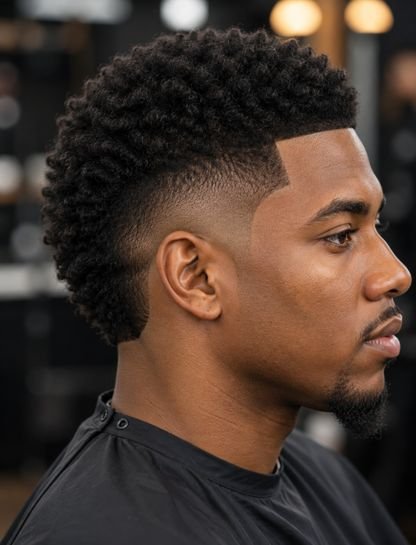
How to Style: Twist or finger-coil sections while damp, then seal with a light oil for shine.
Best For: Men who want maximum texture contrast between the tight sides and a fuller crown.
Face Shape: Flatters long and oblong faces by adding width through top volume.
Hair Type: Designed for coily and tightly curled hair that shrinks significantly when dry.
Barber Instructions: Ask for a high burst fade with a tapered neckline and rounded top shape.
Hair Density & Volume: Coily hair reads denser than it measures; barbers should account for shrinkage.
Maintenance & Budget: Trim every three to five weeks, since coily patterns hold shape longer.
Beard Integration: A full, rounded beard balances the volume of a coily top.
Hairline & Cowlicks: Coily texture naturally camouflages uneven hairlines better than straight hair.
Lifestyle & Profession: Adaptable across active, creative, and professional settings alike.
Hair Products Needed: A leave-in cream for moisture and a light oil to reduce dryness.
Growth Cycle: Coily hair shrinks as it dries, so length looks shorter than it actually is.
Scalp Health: Coily scalps are prone to dryness; avoid over-washing and use a moisturizing shampoo.
Burst Fade Taper Variations by Look and Length
Beyond hair type, the burst fade taper changes depending on fade height, added styling elements, and how it’s paired with facial hair. The three versions below cover common requests barbers hear, from subtle everyday cuts to bolder combinations.
Low Burst Fade Taper
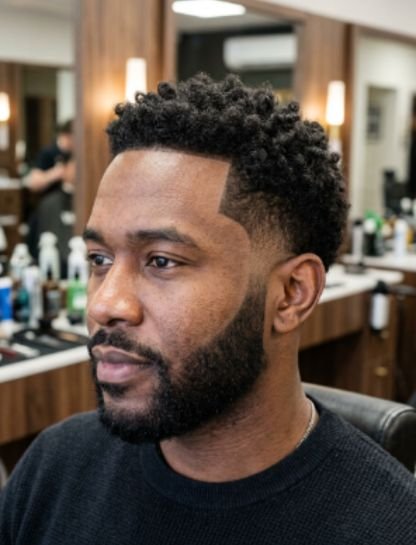
How to Style: Comb the top forward or to the side with a light cream for a natural finish.
Best For: Men who want a subtle, workplace-friendly version of the burst fade.
Face Shape: Suits round faces by keeping the sides close without adding extra width.
Hair Type: Works across straight, wavy, and curly textures with minimal adjustment.
Barber Instructions: Ask the barber to start the fade just above the ear, not the temple.
Hair Density & Volume: Fine hair looks fuller with this cut since less is removed overall.
Maintenance & Budget: Lower upkeep than higher fades; trims every four weeks are usually enough.
Beard Integration: Pairs well with light stubble for an understated, everyday look.
Hairline & Cowlicks: Minimal disruption to the natural hairline makes this a safe choice for receding areas.
Lifestyle & Profession: A strong fit for conservative offices, schools, and formal settings.
Hair Products Needed: A light cream or pomade for a soft, non-shiny hold.
Growth Cycle: Grows out slowly and gracefully, staying presentable for weeks.
Scalp Health: Less skin exposure means lower risk of irritation from clippers.
Burst Fade Taper with Beard
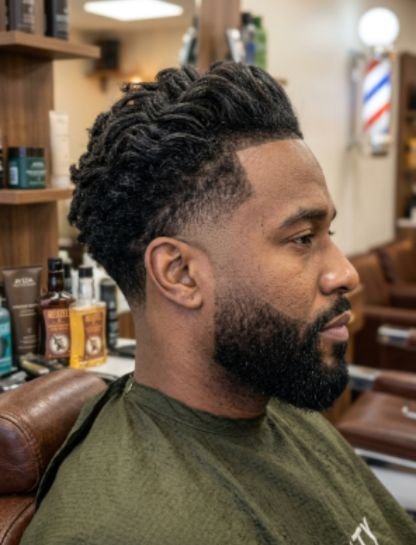
How to Style: Keep the top textured and slightly longer to balance the added weight of the beard.
Best For: Men building a cohesive, groomed look from hairline to jaw.
Face Shape: Helps square off round faces and adds structure to narrow chins.
Hair Type: Works with any top texture as long as the beard is trimmed to match density.
Barber Instructions: Ask for the fade and beard line to be blended together at the sideburn.
Hair Density & Volume: A thicker beard should be paired with a slightly fuller top for balance.
Maintenance & Budget: Requires more frequent visits since both hair and beard need shaping together.
Beard Integration: This is the core feature — the fade and beard are shaped as one unit.
Hairline & Cowlicks: A well-blended beard line can visually soften an uneven or receding hairline.
Lifestyle & Profession: Popular in creative fields and casual offices where beards are accepted.
Hair Products Needed: Beard oil for softness plus a matte clay for the top.
Growth Cycle: Beard grows faster than the fade, so beard trims happen more often between full cuts. Scalp Health: Watch for irritation along the blended sideburn area from frequent clipper contact.
Burst Fade Taper Mullet
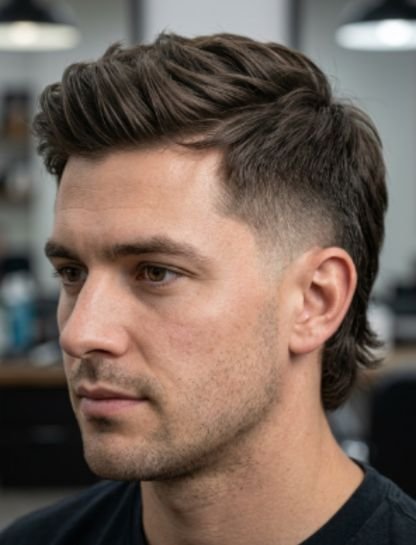
How to Style: Leave the back long and textured while keeping the sides tight and curved.
Best For: Men who want a bold, retro-inspired look with modern precision on the sides.
Face Shape: Balances long faces by adding visual width at the back and crown.
Hair Type: Best suited to thick or wavy hair that holds shape at the nape.
Barber Instructions: Specify how much length to retain at the back before the fade begins.
Hair Density & Volume: Thick hair supports a fuller mullet shape without needing extra product.
Maintenance & Budget: Sides need trimming every two to three weeks; back length is trimmed less often.
Beard Integration: A defined beard adds structure that balances the looser back section.
Hairline & Cowlicks: Front cowlicks are less noticeable since attention shifts to the back length.
Lifestyle & Profession: Best suited to creative, music, or casual environments over formal workplaces.
Hair Products Needed: A texturizing spray for the back and clay for the faded sides.
Growth Cycle: The back grows into the style, so it often improves with a few weeks of growth.
Scalp Health: Standard care applies; no added risk beyond a typical fade.
How to Ask Your Barber for This Cut
Clear communication prevents the most common burst fade taper mistakes. Bring one or two reference photos, ideally from the front, side, and back. Instead of saying “give me a fade,” specify the fade height (low, mid, or high), how much length to leave on top, and where the curve should sit around the ear.
Mention your neckline preference too — rounded, natural, or blocked — since this changes the finished look more than most people expect. If you have a cowlick or uneven hairline, point it out before the cut starts so the barber can plan the part or fringe around it.
Frequently Asked Questions
What is a burst fade taper haircut?
It’s a haircut that combines a curved, ear-hugging fade with a soft taper finish at the neckline.
Is a burst fade taper the same as a regular fade?
No, a regular fade runs in a straight line, while a burst fade curves around the ear.
How often should I get a burst fade taper trimmed?
Every two to four weeks, depending on fade height and how fast your hair grows.
Does a burst fade taper work with curly hair?
Yes, it works well with curly hair and often highlights natural curl texture on top.
Can I pair a burst fade taper with a beard?
Yes, many barbers blend the fade directly into the beard line for a unified look.
What should I tell my barber to get this cut?
Specify the fade height, top length, ear curve placement, and neckline style clearly.
Is a burst fade taper suitable for work?
A low burst fade taper is generally office-appropriate; higher versions lean more casual.
Will a burst fade taper suit a receding hairline?
Yes, especially lower versions, since they draw less attention to the front hairline.
Final Thoughts
A burst fade taper haircut offers more flexibility than a standard fade, adapting easily to different hair types, face shapes, and lifestyles. The key to getting it right is clear communication with your barber and realistic maintenance expectations. Whether you want a subtle office-friendly version or a bold statement cut, this style can be shaped to fit your exact needs.