Burst Fade Guide30 High Burst Fade Haircut Styles Every Stylish Modern Man Should Try in 2026
30 High Burst Fade Haircut Styles Every Stylish Modern Man Should Try in 2026
August 20, 2026
/
1 Comment
/
Oliver Bennett
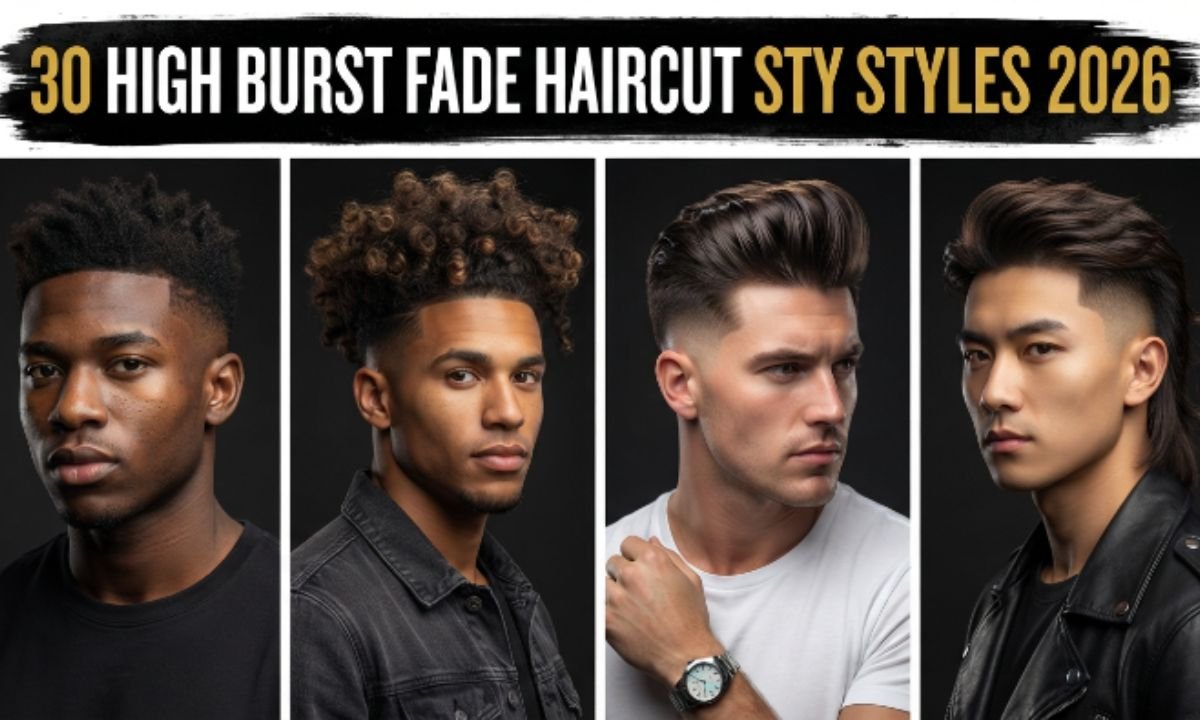
The high burst fade has become one of the most requested cuts at barbershops because it blends sharp contrast with real styling freedom on top. This guide breaks down what makes the cut work, why so many men are switching to it, and thirty distinct ways to wear it based on hair type, length, and lifestyle. Whether you want something low-maintenance or a bold statement look, you’ll find a version that fits.
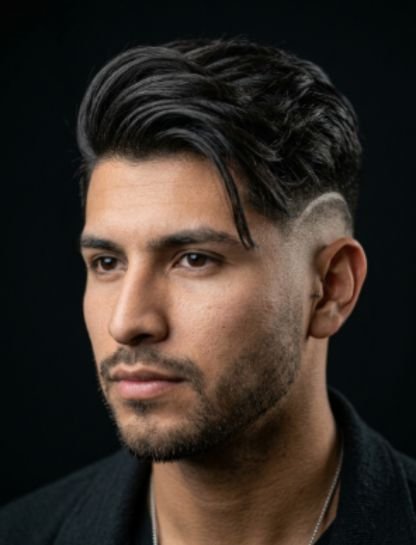
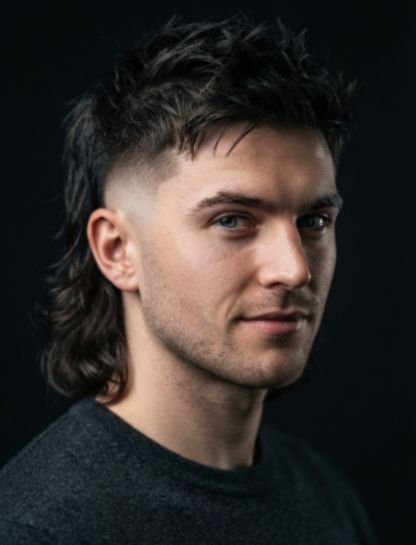
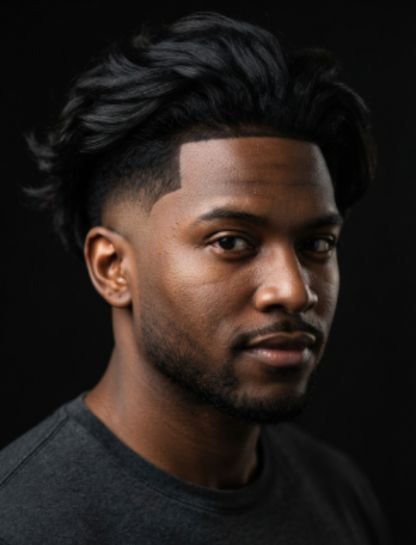
A high burst fade is a fade pattern where the hair tapers into skin in a rounded, semicircular shape around the ear, starting much higher on the head than a low or mid fade would. Instead of a straight line running across the sides and back, the burst curves upward around the ear like a fan, leaving more length above and behind it.
This creates a sharper visual break between the top section and the shaved sides, which is why the style pairs so well with longer or more textured top lengths. The “high” part of the name refers to where the fade begins near the temple and crown, not to the length of the top itself, so it can be combined with almost any top style.
Key Features of a High Burst Fade
The fade curves around the ear rather than running in a straight, horizontal line
It starts noticeably higher on the head than low or mid fade variations
The top section stays visually separated and prominent against the shaved sides
It works on straight, wavy, curly, coily, and locked hair types
It can be finished with a skin fade, a shadow fade, or a slightly softer taper depending on preference
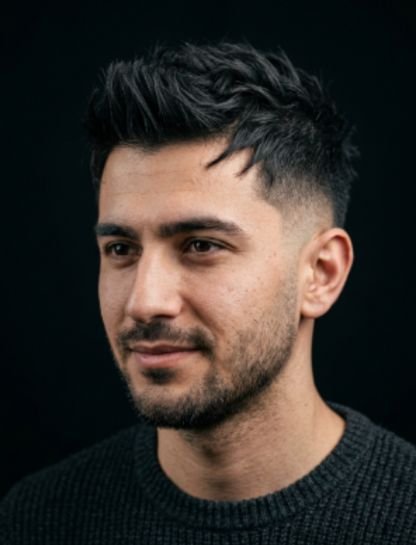
Why Men Choose This Hairstyle
Men gravitate toward the high-burst fade because it offers sharp definition without forcing them into one fixed top style. Because the fade sits higher, it draws attention toward the crown and top, which helps balance rounder face shapes and adds the illusion of height for shorter hairlines. It also photographs well and holds its shape between visits because the burst pattern grows out more gradually than a straight-line fade.
On top of that, barbers can adjust the exact curve and height of the burst to suit almost any face shape, hair density, or personal style, which is part of why the cut has stayed popular across so many different hair textures.
Benefits of a High Burst Fade
Creates strong contrast that makes the top of the haircut stand out
Works with short, medium, and long top lengths without losing shape
Suits nearly every hair texture, from pin-straight to tightly coiled
Grows out more evenly than a straight-edge fade, extending time between trims
Can be dressed up for professional settings or kept edgy for casual wear
Pairs naturally with a beard fade for a fully connected look
30 Modern High Burst Fade Styles
1. Classic High Burst Fade Crop
This is the most straightforward version of the cut, built around a short textured crop that sits close to the head with just enough length to add movement. The fringe is left slightly longer at the front and combed forward or left loose for a relaxed, low-key finish. It works especially well on straight or slightly wavy hair because the natural fall keeps the texture visible without extra product. The rounded burst around the ear gives the cut its edge, while the top stays simple enough for daily styling in under a minute.
Best For: Straight or wavy hair and anyone wanting a low-effort daily style
Tell Your Barber: “Keep the crop short on top with a forward fringe and a rounded high burst around the ears.”
Maintenance: Trim every 3 to 4 weeks to keep the burst crisp
2. High Burst Fade with Textured Quiff
The quiff version adds noticeable height and volume at the front, giving the haircut a more polished, dressed-up appearance. Hair is blow-dried upward and slightly back while still damp, then set with a light hold product so the texture stays separated instead of flat. This style suits men with medium-density hair since fine hair may need extra root lift to hold the shape through the day. The high burst underneath keeps the sides clean, which makes the lifted top look even taller by comparison.
Best For: Medium to thick straight or wavy hair and oval or square face shapes
Tell Your Barber: “Leave 4 inches on top for a quiff and keep the burst tight around the temples.”
Maintenance: Blow-dry styling needed most days; trim every 4 weeks
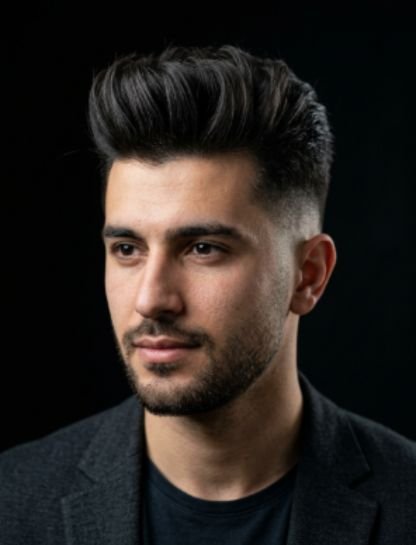
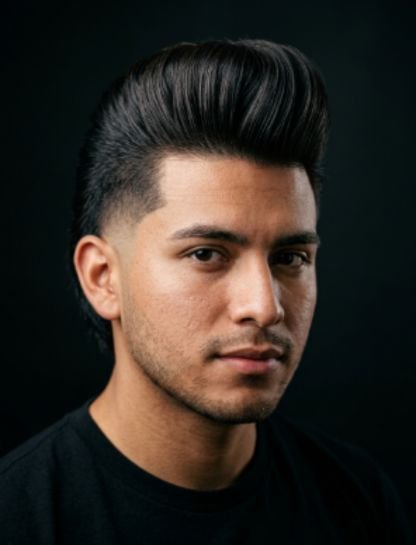
3. High Burst Fade Pompadour
This is a bolder, taller take on the quiff with a more dramatic backward sweep and a rounded front. It requires more length on top, usually five inches or more, along with a strong-hold pomade to keep the shape locked in place throughout the day. The pompadour works best on thick, straight hair that can hold volume without collapsing, though wavy hair can also work with the right product. The high burst fade underneath adds sharp contrast that keeps the overall look from feeling old-fashioned.
Best For: Thick straight hair and men who want a formal, dressed-up appearance
Tell Your Barber: “Build a tall pompadour with strong backward volume and a seamless high burst blend.”
Maintenance: Daily styling with pomade required; trim every 3 to 4 weeks
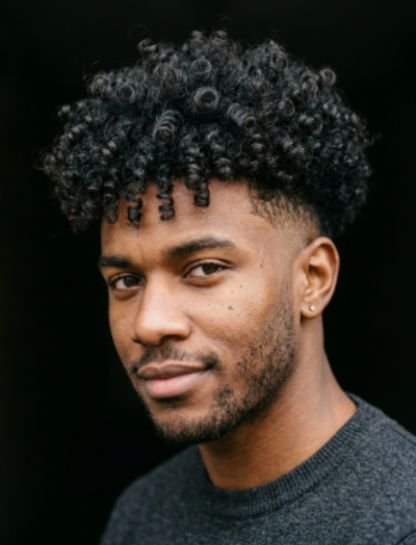
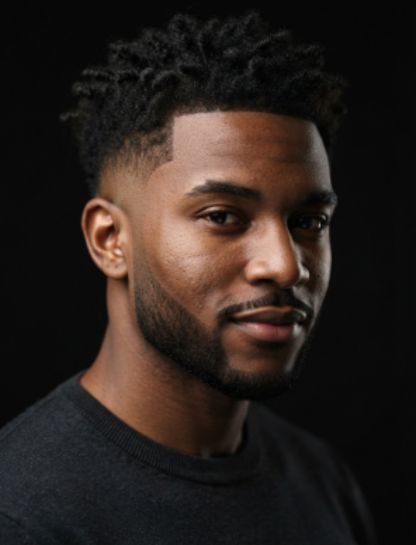
4. High Burst Fade Curly Top
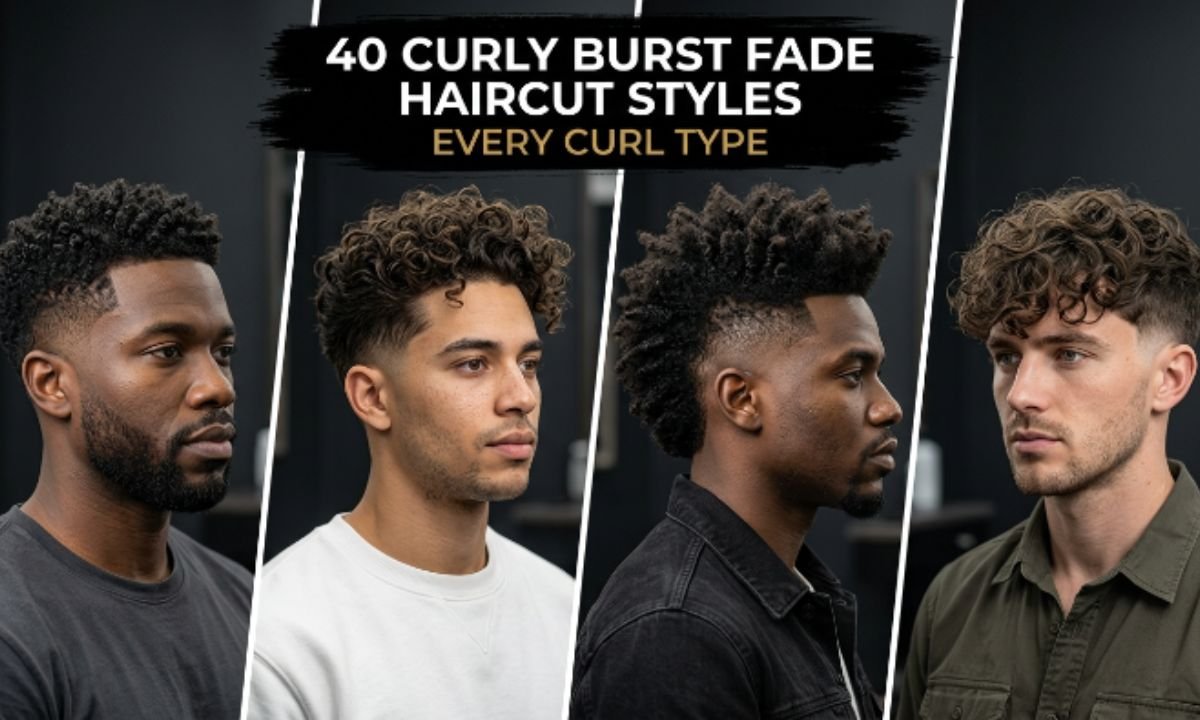
For naturally curly hair, this version leans into the curl pattern instead of fighting it, letting the top sit round and full while the burst fade trims everything else close. Curl cream applied to damp hair helps define individual curls without weighing them down, and scrunching upward while drying encourages more volume. Because curly hair shrinks as it dries, it’s worth asking the barber to cut slightly longer than the intended finished length. The contrast between the dense curl and the tight burst fade is what makes this version stand out.
Best For: Medium to tight natural curls and round or oval face shapes
Tell Your Barber: “Cut the curls with extra length to allow for shrinkage, then blend a high burst around the sides.”
Maintenance: Curl cream on wash days; trim every 5 to 6 weeks to preserve curl shape
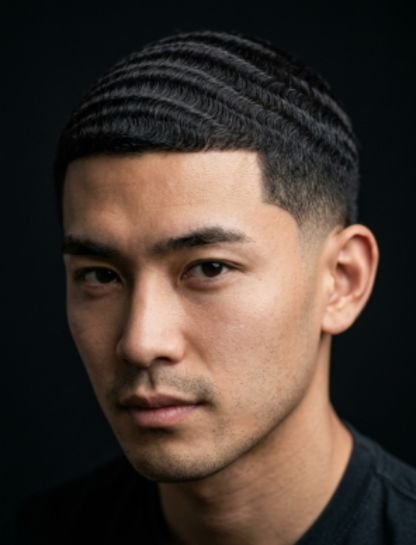
5. High Burst Fade Waves
This style targets natural or brushed-in waves across the top, giving the hair a rippled texture instead of loose curls or straight strands. Regular brushing in one consistent direction, paired with a durag or wave cap overnight, helps train the pattern over time. A light sea salt or wave pomade adds hold without stiffness, keeping the waves looking natural rather than sculpted. The high burst fade frames the wave pattern cleanly, since the shorter sides don’t compete visually with the texture on top.
Best For: Straight to wavy hair with natural texture and low-maintenance routines
Tell Your Barber: “Keep the top short enough to brush into waves, with a clean, high burst fade at the sides.”
Maintenance: Brush daily and use a wave cap at night; trim every 3 weeks
6. High Burst Fade Mohawk
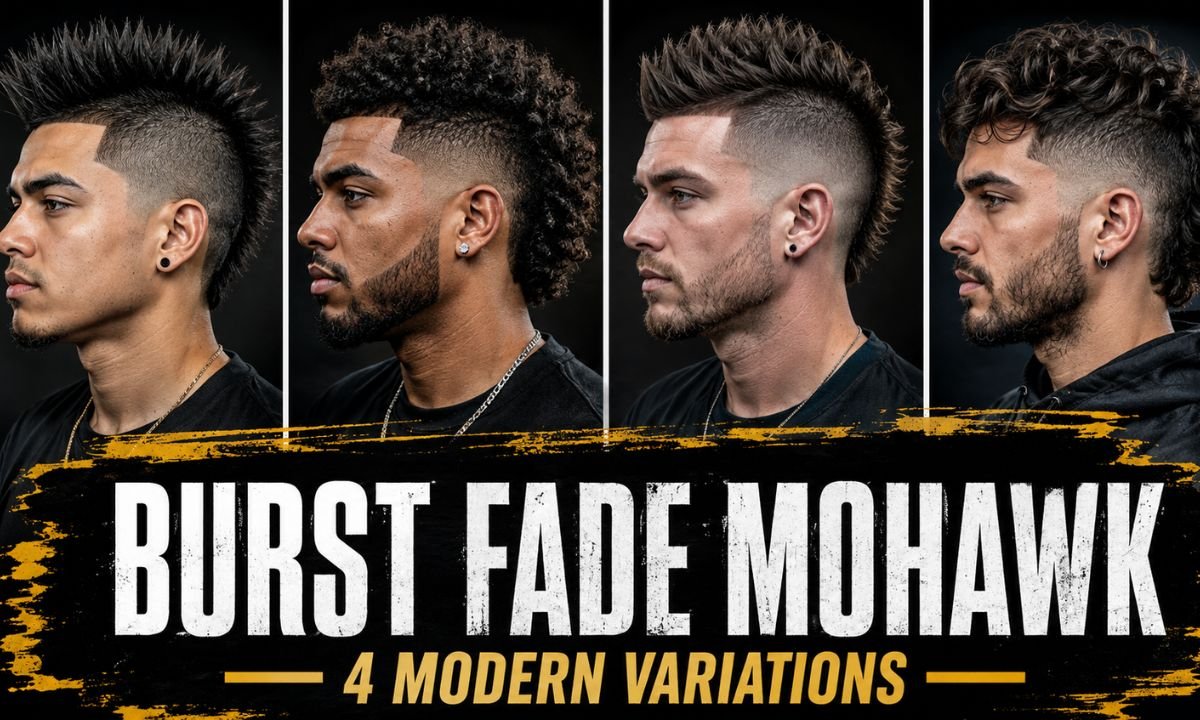
This version narrows the top into a strip of length running from the forehead to the crown, with everything else faded away using the high burst pattern. The strip can range from three to six inches depending on how dramatic a look is wanted, and it’s usually styled upward with a firm-hold product for definition. This cut works on straight, wavy, and curly hair alike, since the strip can be styled differently depending on the natural texture. It reads as an athletic, high-energy look rather than a purely formal one.
Best For: Thick or coarse hair and men comfortable with a bold, attention-drawing style
Tell Your Barber: “Leave a center strip about 4 inches wide and burst-fade both sides high and tight.”
Maintenance: Daily styling with strong-hold product; trim every 3 weeks
7. High Burst Fade Faux Hawk
A softer alternative to the full mohawk, the faux hawk keeps more width on top so it looks like a natural style rather than a shaved statement piece. Hair is directed toward the center and lifted using a matte paste, creating a subtle ridge without the extreme narrowness of a true mohawk. This makes it a good entry point for anyone who wants added edge without fully committing to the mohawk’s sides. The high burst underneath still delivers the sharp contrast that makes this family of styles distinctive.
Best For: Straight, wavy, or curly hair and men wanting an edgy look for work-friendly settings
Tell Your Barber: “Keep the top wider than a mohawk and lift it toward the center with a high burst fade.”
Maintenance: Style daily with matte paste; trim every 4 weeks
8. High Burst Fade Afro
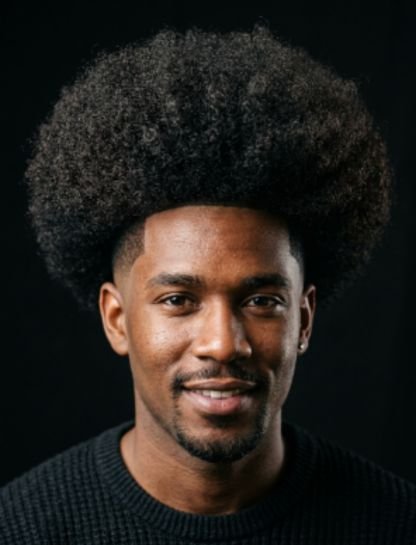
This style keeps the top in its natural rounded afro shape while the high burst fade trims the perimeter into a clean, defined edge. The contrast between the full, soft top and the tightly faded sides gives the cut a strong architectural look. A wide-tooth pick is used to shape and lift the afro evenly, and a light leave-in conditioner helps prevent dryness at the ends. Because the fade sits high, it leaves more of the natural volume untouched, which many men prefer for maintaining length.
Best For: Coily or tightly curled natural hair and round or square face shapes
Tell Your Barber: “Keep the afro full on top and fade high and tight around the ears and neckline.”
Maintenance: Pick and moisturize regularly; trim the fade every 2 to 3 weeks
9. High Burst Fade Buzz Cut
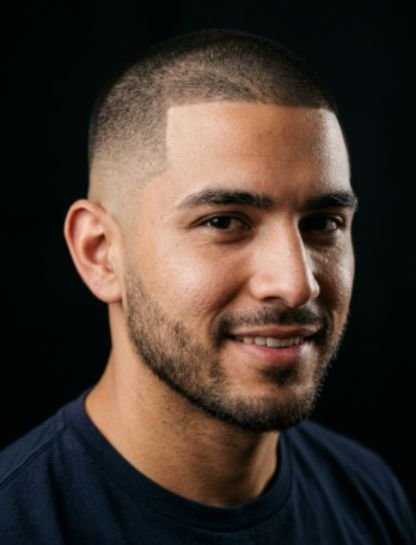
This is the lowest-maintenance version on the list, pairing a uniform short buzz on top with the rounded burst fade at the sides for subtle shape rather than dramatic contrast. Because the top is cut with clippers at a single guard length, there’s no daily styling required, making it a practical choice for active lifestyles or hot climates. It still benefits from the burst shape since the curved transition looks more refined than a flat-line fade. This cut suits nearly every hair type because texture becomes far less noticeable at very short lengths.
Best For: Any hair type and men who want a wash-and-go routine
Tell Your Barber: “Buzz the top with a number 2 guard and add a high burst fade around the ears.”
Maintenance: No daily styling; trim every 2 to 3 weeks to maintain shape
10. High Burst Fade Caesar Cut
The Caesar cut brings a short, horizontal fringe across the forehead paired with a high burst fade at the sides for a clean, understated finish. Hair on top stays around one to two inches, combed forward with minimal product for a natural, textured look rather than a heavily styled one. This cut has stayed popular because it works equally well in professional and casual settings without appearing dated. The burst fade adds just enough contrast to modernize what is otherwise a traditional, simple shape.
Best For: Straight to slightly wavy hair and receding or straight hairlines
Tell Your Barber: “Cut a short forward fringe Caesar style with a rounded high burst fade at the sides.”
Maintenance: Minimal styling needed; trim every 3 to 4 weeks
11. High Burst Fade Comb Over
This version uses a defined part on one side with the longer top length combed diagonally across the head, creating an asymmetrical, polished silhouette. A blow dryer and light-hold cream help train the direction of the comb-over so it holds its shape through the day rather than falling flat. It’s a versatile choice that reads as sharp and put-together, making it a common pick for office environments. The high burst fade complements the clean side part by keeping the rest of the head equally tidy.
Best For: Straight or lightly wavy hair and men wanting a professional appearance
Tell Your Barber: “Part the top on one side and comb it across, with a high burst fade blending into the part.”
Maintenance: Style daily with cream or light pomade; trim every 4 weeks
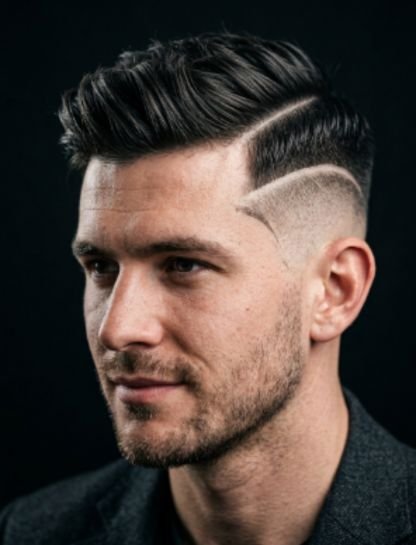
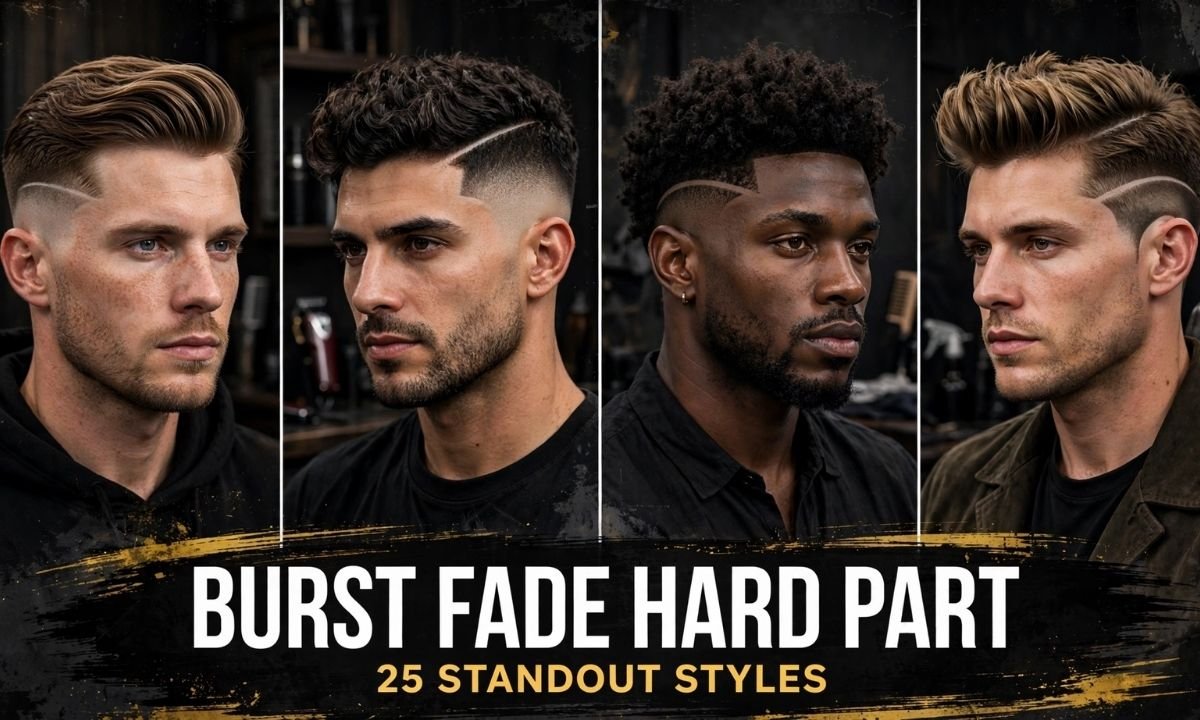
12. High Burst Fade Hard Part
This style adds a shaved line dividing the top section from the fade, giving the haircut extra definition and a more graphic, deliberate look. The hard part is usually cut just above where the burst fade begins, so it curves slightly to match the fade’s rounded shape rather than running perfectly straight. It works especially well for men who want their part to stay visible even without daily restyling, since the shaved line doesn’t rely on combing to stay in place. This cut tends to draw more attention than a standard comb-over because of the added detail.
Best For: Straight or thick hair and men who like a bold, structured look
Tell Your Barber: “Add a shaved hard part above a high burst fade, curving it to match the fade line.”
Maintenance: Touch up the shaved line every 2 weeks; trim top every 4 weeks
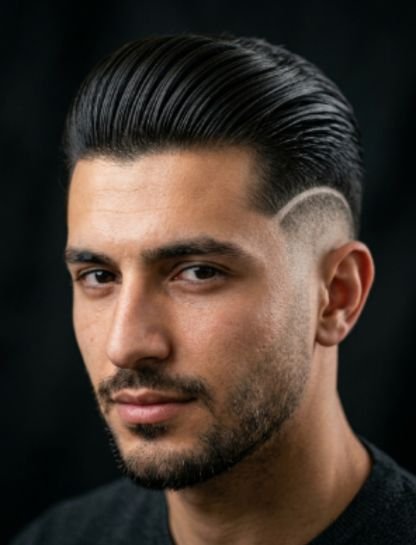
13. High Burst Fade Slick-Back
This style pulls all the top length straight back using a strong-hold pomade for a smooth, glossy finish that contrasts sharply with the faded sides. It requires enough length on top, generally four to five inches, to fully sweep backward without loose ends sticking out. This look tends to read as more formal or vintage-inspired compared to other styles on this list, making it a strong choice for events or business settings. The high burst fade keeps the sides from competing with the sleek top, letting the slicked shape stay the clear focal point.
Best For: Straight or thick hair and formal occasions or office settings
Tell Your Barber: “Leave enough length to slick straight back, with a high burst fade that stays tight to the head.”
Maintenance: Daily pomade styling; trim every 4 weeks
14. High Burst Fade Ivy League
A step up in length from the Caesar cut, the Ivy League keeps the top slightly longer and side-swept rather than forward-combed, giving it a neater, more structured appearance. It sits between a crew cut and a comb-over in terms of styling effort, needing only a small amount of product to hold its shape.
This cut has long been associated with tidy, traditional grooming, and the high burst fade brings a more current edge to that classic base. It’s a dependable option for men who want a cut that reads as professional without looking plain.
Best For: Straight to wavy hair and conservative or business-casual environments
Tell Your Barber: “Cut an Ivy League length on top, side-swept, with a high burst fade underneath.”
Maintenance: Light styling most days; trim every 3 to 4 weeks
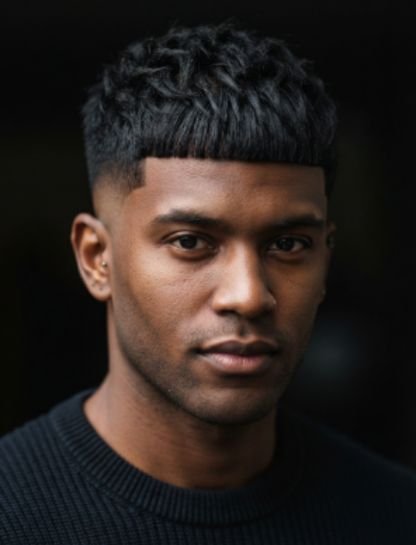
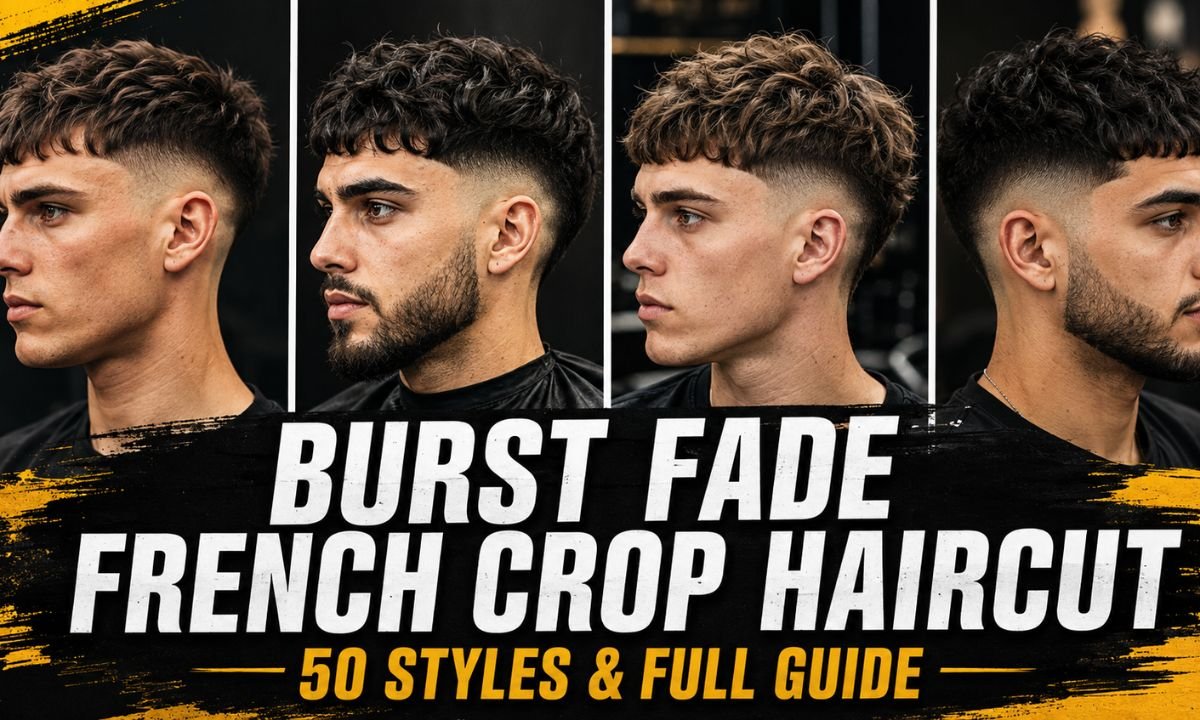
15. High Burst Fade French Crop
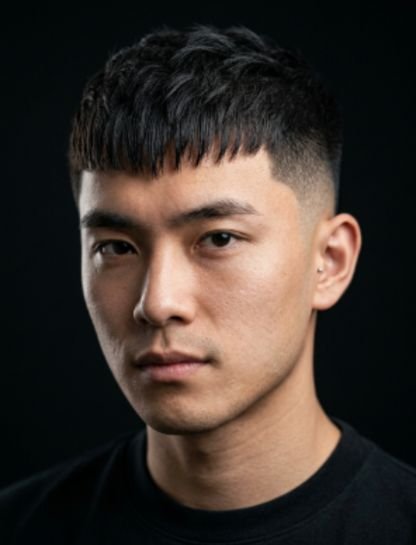
The French crop keeps a blunt, straight-across fringe with slightly more texture through the crown than a standard crop, giving it a slightly edgier finish. It’s typically styled with a matte product worked through damp hair and pushed forward, leaving the ends visibly separated rather than smooth. This cut suits men who want something a little more directional than the classic crop without moving into longer, styled tops. The high burst fade adds sharp framing around the blunt fringe, keeping the whole look balanced.
Best For: Straight or wavy hair and square or angular face shapes
Tell Your Barber: “Cut a blunt French crop fringe with textured length and a high burst fade at the sides.”
Maintenance: Style with matte paste most days; trim every 3 to 4 weeks
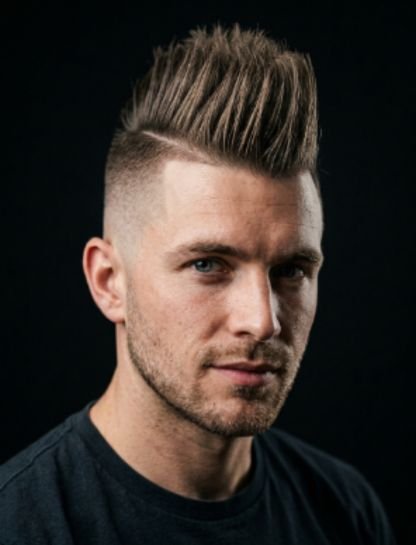
16. High Burst Fade Spiky Top
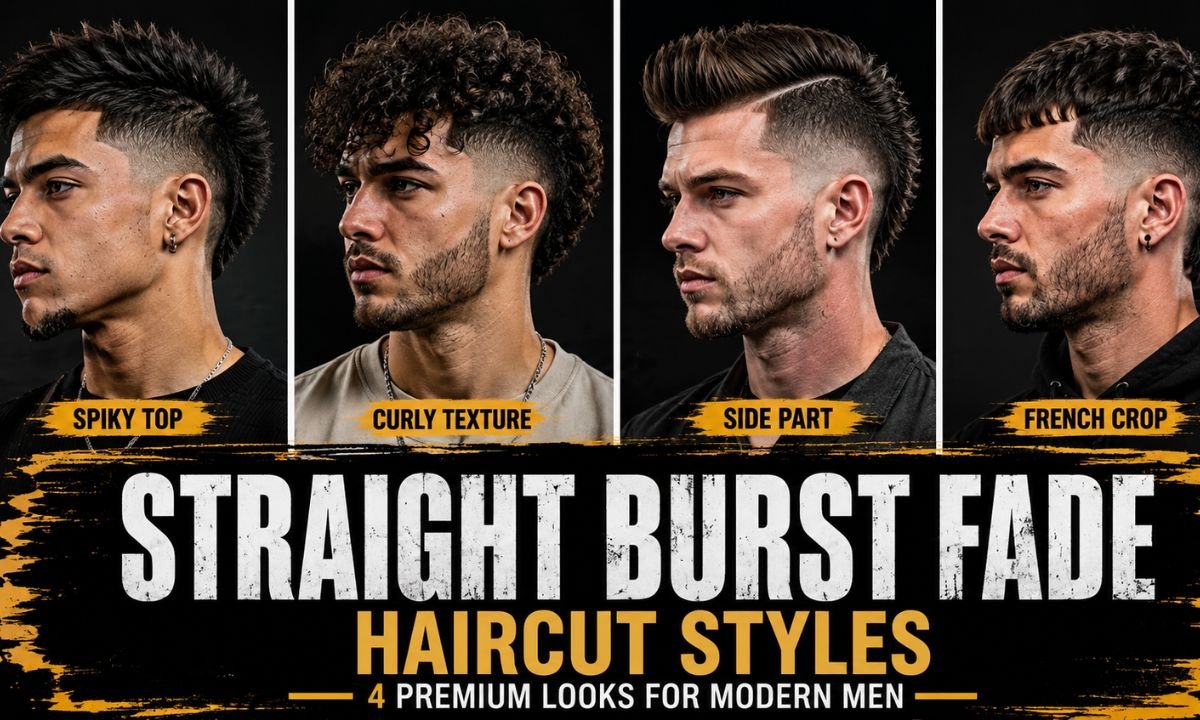
This style separates the top hair into defined, upward-pointing spikes using a strong wax or clay applied to damp hair before blow-drying upward. It tends to suit thicker, coarser hair textures that can hold a spike shape without collapsing throughout the day. The look reads as youthful and energetic, and it pairs particularly well with a very tight burst fade for maximum contrast between the textured top and bare sides. This is one of the more product-dependent styles on the list, requiring daily reapplication to maintain its shape.
Best For: Thick, coarse straight hair and casual or creative work environments
Tell Your Barber: “Keep the top around 3 to 4 inches for spiking, with a very high, tight burst fade.”
Maintenance: Daily wax styling; trim every 3 weeks
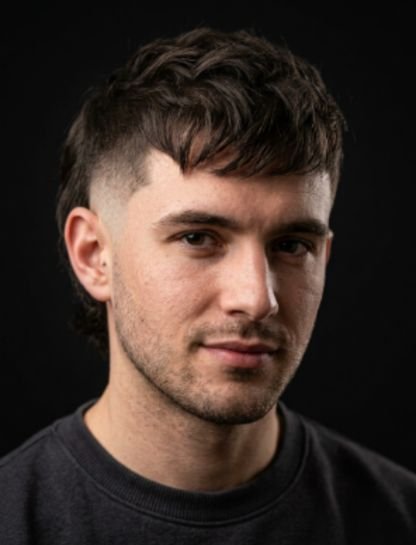
17. High Burst Fade Mullet
This version keeps the sides and front short while allowing extra length to remain at the back, creating the retro-inspired silhouette the mullet is known for. The high burst fade handles the sides and temple area, while the back is left to grow past the fade line for contrast. This cut suits men who want a distinctive, statement-making look rather than something conventional, and it works across straight, wavy, and curly textures. Regular trims at the front help keep the shorter sections crisp even as the back grows out.
Best For: Straight, wavy, or curly hair and men wanting a retro-inspired statement cut
Tell Your Barber: “Keep length at the back for a mullet shape while fading the sides high and tight.”
Maintenance: Trim the sides every 3 weeks; let the back grow between visits
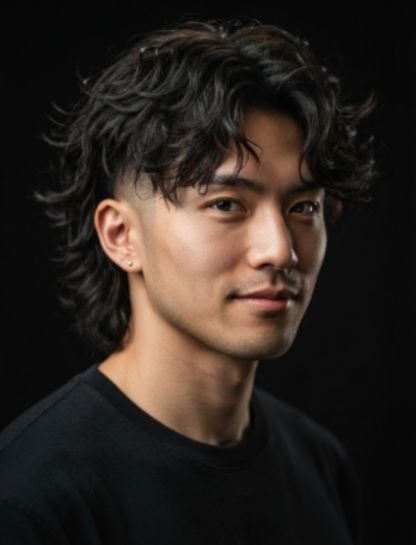
18. High Burst Fade Wolf Cut
The wolf cut combines heavy layering through the crown with a shaggier, more textured finish than a traditional mullet, giving it a wilder, less structured appearance. Layers are cut throughout the top to add movement, and the ends are often left slightly choppy rather than blunt. This style pairs naturally with wavy or curly hair since the layers help enhance natural texture rather than working against it. The high burst fade keeps the sides controlled, which balances out the looser, more voluminous shape on top.
Best For: Wavy or curly hair with natural movement and medium to thick density
Tell Your Barber: “Add heavy layering through the crown for a wolf cut with a high burst fade at the sides.”
Maintenance: Texture spray on styling days; trim every 5 to 6 weeks to keep layers fresh
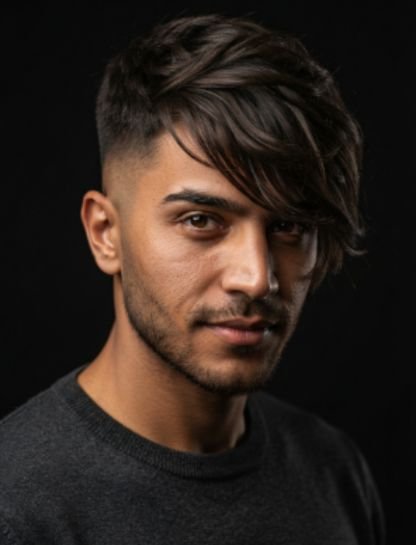
19. High Burst Fade Long Fringe
This style keeps a noticeably longer front section, often four to five inches, that falls diagonally across the forehead rather than being pushed straight back or up. It gives off a more fashion-forward, editorial look compared to shorter fringe styles, and it works well paired with straight or slightly wavy hair for a clean fall. A light texturizing product helps separate the strands without adding heavy shine. The high burst fade keeps the rest of the head tight, letting the long fringe remain the clear visual focus.
Best For: Straight or wavy hair and men wanting a fashion-forward, editorial look
Tell Your Barber: “Leave the front section long and diagonal, with a high burst fade everywhere else.”
Maintenance: Style daily with texturizing cream; trim every 5 weeks
20. High Burst Fade Undercut Combo
This version pairs the disconnected look of an undercut with the rounded blending of a burst fade, creating a hybrid style with both sharp lines and soft transitions. The top is left considerably longer than the sides, often with a visible line of demarcation near the crown before the burst pattern takes over lower down. It suits men who want strong contrast without a fully shaved-sides look. This combination works particularly well with thick, straight hair that holds its shape when swept in different directions.
Best For: Thick straight or wavy hair and men who like high-contrast styles
Tell Your Barber: “Disconnect the top from a high burst fade for a strong undercut-style contrast.”
Maintenance: Style daily; trim every 4 weeks to maintain the disconnection
21. High Burst Fade with Beard Fade
This style connects the haircut directly to a matching beard fade, so the burst pattern at the temples blends smoothly into the beard along the cheek and jawline. It creates a cohesive, fully groomed look that avoids any harsh lines between the hairline and facial hair. Barbers typically use clippers with progressively smaller guards to soften the transition on both the head and the beard simultaneously. This combination works on nearly any top style, though it’s especially popular with shorter, low-maintenance tops.
Best For: Men with facial hair who want a seamless, fully connected grooming look
Tell Your Barber: “Connect my high burst fade into a matching beard fade along the jawline.”
Maintenance: Trim both the fade and beard fade together every 2 to 3 weeks
22. High Burst Fade Two-Block Style
Borrowed from Korean barbering traditions, the two-block style pairs a longer, fuller top with much shorter sides, creating a sharp division rather than a gradual blend at the very top edge, while the sides themselves are handled with a smooth high burst fade. The top is often styled with volume, either brushed forward or lifted at the roots for a rounder silhouette. This cut suits fine to medium hair particularly well since the shorter sides make the top appear fuller by comparison. It has become popular for its clean, modern proportions.
Best For: Fine to medium hair and men wanting a rounded, voluminous top
Tell Your Barber: “Cut a two-block style with a fuller top and a high burst fade underneath.”
Maintenance: Style with light volumizing product; trim every 4 weeks
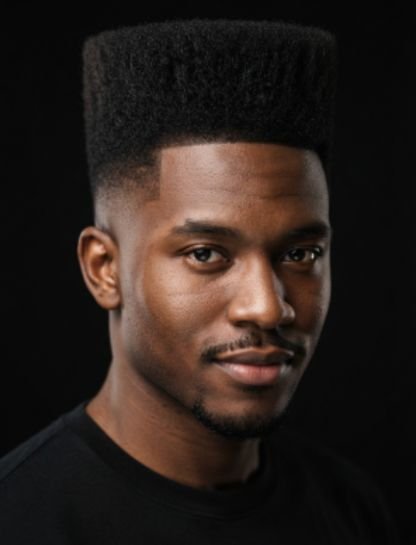
23. High Burst Fade Flat Top
The flat top keeps the crown cut level and squared off, creating a geometric, boxy silhouette that contrasts sharply with the rounded burst fade below it. Achieving a clean flat top usually requires a flat-top comb and clippers to maintain an even horizontal line across the crown. This style suits coarser or thicker hair types that can hold an upright shape without collapsing. It’s a bold, high-visibility cut that works particularly well for men who want a structured, disciplined appearance.
Best For: Coarse or thick hair and men wanting a structured, geometric look
Tell Your Barber: “Cut a flat top with a squared crown and a high burst fade around the sides.”
Maintenance: Style daily with strong-hold gel; trim every 2 to 3 weeks to keep edges sharp
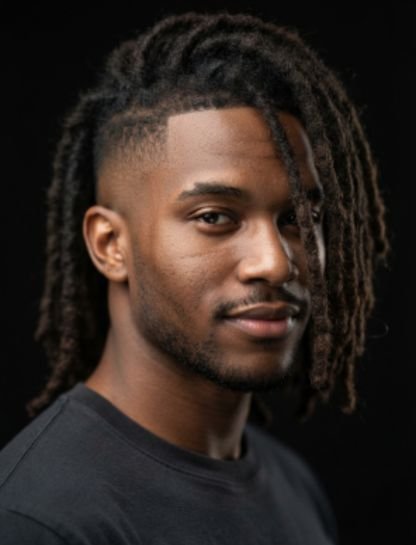
24. High Burst Fade Dreadlocks
This style keeps established dreadlocks at full length on top while the high burst fade trims the surrounding hair into a tight, defined shape. The contrast between the long, rope-like locks and the tightly faded sides creates one of the more visually striking combinations on this list. Locks can be worn loose, tied back, or gathered depending on length and occasion, giving this style more flexibility than most others. Because the fade needs regular upkeep even as the locks themselves grow, this cut benefits from a barber familiar with maintaining fades around locked hair.
Best For: Established dreadlocks of any length and men wanting bold visual contrast
Tell Your Barber: “Keep my locks untouched on top and add a high burst fade around the sides.”
Maintenance: Retwist locks per your usual routine; trim the fade every 2 to 3 weeks
25. High Burst Fade Twists
This version applies two-strand or comb twists across the top section, giving the hair defined, rope-like texture that’s shorter and more manageable than full locks. Twists can be left to hang naturally or styled upward depending on their length, and a light edge control product helps keep the twist ends neat. This cut works well for men who want the textured look of locks without the long-term commitment. The high burst fade around the sides keeps the twisted top looking sharp and intentional.
Best For: Coily or tightly curled hair and men wanting a shorter-term textured style
Tell Your Barber: “Twist the top section and pair it with a high burst fade at the sides.”
Maintenance: Re-twist every 1 to 2 weeks; trim the fade every 2 to 3 weeks
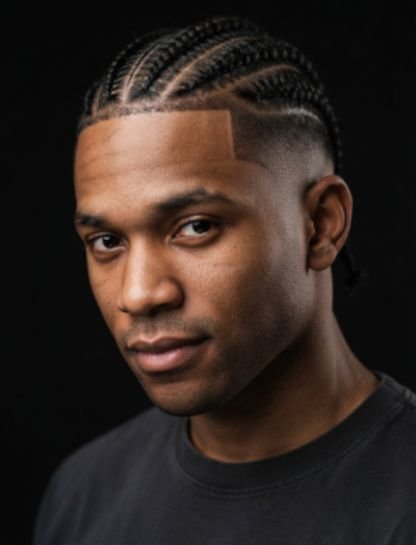
26. High Burst Fade Braided Top
This style keeps the top hair braided into cornrows or a similar pattern, running straight back or in a custom design toward the crown, while the sides are cut into a clean high burst fade. Braid patterns can be simple and functional or more elaborate depending on hair length and personal preference. This cut is especially practical for men with busy schedules since braids can last one to two weeks before needing to be redone. The sharp burst fade around the braided pattern gives the whole look a clean, finished edge.
Best For: Longer natural hair and men wanting a practical, longer-lasting style
Tell Your Barber: “Keep the top braided in cornrows with a clean high burst fade at the sides.”
Maintenance: Re-braid every 1 to 2 weeks; trim the fade every 2 to 3 weeks
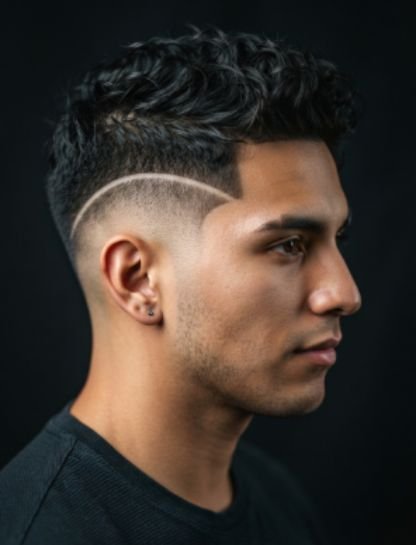
27. High Burst Fade with Hard Line Design
This style adds a shaved design, such as a single line, a geometric pattern, or initials, into the fade area itself for a more personalized, decorative finish. Designs are typically placed where the burst fade curves around the temple, since that area offers the most visible canvas. This works on any hair type since the design is cut directly into the shaved skin, independent of the top’s texture. It’s a good option for men who want their haircut to feel more custom without changing the overall top style.
Best For: Any hair type and men wanting a personalized, decorative detail
Tell Your Barber: “Add a simple line design into my high burst fade near the temple”
Maintenance: Touch up the design every 1 to 2 weeks as it grows out fastest
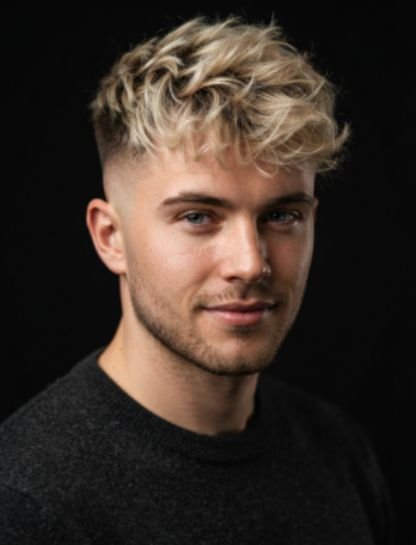
28. High Burst Fade Color Blonde Top
This style keeps the cut itself relatively simple, often a textured crop or curly top, but uses a bleached or dyed blonde top to create maximum contrast against the dark, tightly faded sides. Achieving even blonde color usually requires a professional colorist, especially on darker natural hair, to avoid uneven or brassy tones.
This look works well as a seasonal change since it can be grown out and re-dyed without altering the underlying cut. The high burst fade keeps the styling focus entirely on the color rather than complex shaping.
Best For: Men wanting a bold seasonal color change and any hair type that takes color well
Tell Your Barber: “Keep the cut simple on top but leave enough length to show off a blonde color job.”
Maintenance: Root touch-ups every 4 to 6 weeks; trim the fade every 3 weeks
29. High Burst Fade Silver Fox
This version pairs natural gray or silver hair with a high burst fade, embracing the color rather than covering it and using the sharp fade to modernize the overall look. Because gray hair often has a different texture than the wearer’s original hair, a lightweight styling cream usually works better than heavier pomades that can weigh it down. This style photographs particularly well against a very clean, precise burst fade since the contrast between silver and skin is naturally striking. It’s a popular choice for men who want a distinguished, low-fuss appearance.
Best For: Naturally gray or silver hair and men wanting a distinguished, mature look
Tell Your Barber: “Keep the natural silver tone and pair it with a crisp, precise high-burst fade.”
Maintenance: Light styling cream as needed; trim every 3 to 4 weeks
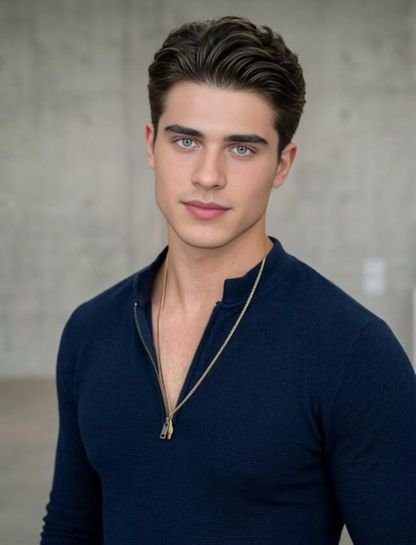
30. High Burst Fade Business Professional Crop
This is a deliberately conservative version built for corporate environments, keeping the top short and neatly combed with minimal texture and a moderate rather than extreme burst height.
The fade still curves around the ear for definition, but it’s kept subtler than more dramatic versions on this list to stay within typical workplace grooming expectations. A small amount of matte cream keeps the top controlled without unwanted shine. This cut proves the high burst fade can work in traditional settings, not just casual or fashion-forward ones.
Best For: Straight or wavy hair and men in corporate or client-facing roles
Tell Your Barber: “Keep the top short and neat with a subtle, moderate-height burst fade.”
Maintenance: Light styling most mornings; trim every 3 weeks
How to Get a High Burst Fade
Getting a clean result starts before you even sit in the chair. Follow these steps to make sure the cut turns out the way you want:
Bring a reference photo or describe the exact top style, length, and styling direction you want
Specify how high you want the burst to start, since “high” can still range from mid-temple to near the crown
Mention your hair type and density so the barber can adjust the top length accordingly
Ask whether you want a skin fade, shadow fade, or slightly softer taper finish
Request a beard fade at the same time if you want the two to connect seamlessly
Book a follow-up trim appointment before the burst line starts growing out and losing definition
Common Mistakes to Avoid
Waiting too long between trims: The burst line grows out faster than people expect, especially around the ears, so pushing past four weeks often blurs the shape.
Choosing a top length that doesn’t match hair density: Fine hair struggles to hold longer, more voluminous styles, while very short cuts can make thick hair look bulky rather than structured.
Skipping the barber conversation about height: “High” means different things to different barbers, so always confirm roughly where the burst should begin.
Using the wrong product for your texture: Heavy pomades weigh down curls and waves, while light creams often can’t hold thicker, coarser hair in place.
Ignoring the beard when getting a fade: An unconnected fade and beard line can look unfinished, even if the haircut itself is well done.
Best Hair Products for a High Burst Fade
Matte clay or paste: Best for textured crops, spikes, and faux hawks where a natural, non-shiny finish is preferred.
Pomade: Ideal for slick backs, comb-overs, and pompadours that need strong hold and some shine.
Curl cream: Defines curls without weighing them down, making it the go-to choice for curly and coily top styles.
Sea salt or texture spray: Adds grit and volume for wavy, wolf cut, and mullet-style tops.
Edge control or light gel: Keeps braided, twisted, and locked styles neat around the hairline and part.
Light styling cream: Works well for silver, gray, or fine hair that needs control without added weight.
Frequently Asked Questions
How high should a high burst fade actually start?
Most high burst fades start near the upper temple or lower crown, noticeably above where a low or mid-fade would begin.
Does a high burst fade work with thin hair?
Yes, though thinner hair often looks best with shorter or medium top lengths since longer styles can appear flat.
How often do I need to get a high burst fade trimmed?
Most men need a trim every two to four weeks depending on how fast the burst line grows out.
Can I get a high burst fade with curly or coily hair?
Yes, curly and coily hair actually pair especially well with this cut due to the contrast between volume and tight sides.
Is a high burst fade suitable for a professional workplace?
Yes, especially in its more conservative forms like the Caesar cut, Ivy League, or business professional crop.
What’s the difference between a high burst fade and a regular burst fade?
The difference is simply where the fade starts, with “high” versions beginning noticeably higher on the head for more contrast.
Can a high burst fade be combined with a beard fade?
Yes, connecting both is common and creates a more cohesive, fully groomed overall look.
Final Thoughts
The high burst fade earns its popularity by offering sharp, well-defined sides without limiting what you can do on top. From simple, low-maintenance crops to bold curly, colored, or braided variations, there’s a version suited to nearly every hair type and lifestyle.
The key to getting it right is clear communication with your barber about height, top length, and finish. With the right combination, this cut can stay fresh, sharp, and personal to you for years to come.
Hi, I’m Oliver Bennett. I’m passionate about men’s hairstyles and love exploring modern cuts that are easy to understand and easy to ask your barber for. On this website, I share simple guides on styles like burst fades, mullets, curtain cuts, tapers, and other trending men’s hairstyles. My goal is to help you find a haircut that matches your hair type, face shape, and personal style.






1 thought on “30 High Burst Fade Haircut Styles Every Stylish Modern Man Should Try in 2026”