Burst Fade Guide30 Mid Burst Fade Haircuts Every Man Should Try for a Sharp Modern Look in 2026
30 Mid Burst Fade Haircuts Every Man Should Try for a Sharp Modern Look in 2026
August 22, 2026
/
4 Comments
/
Oliver Bennett
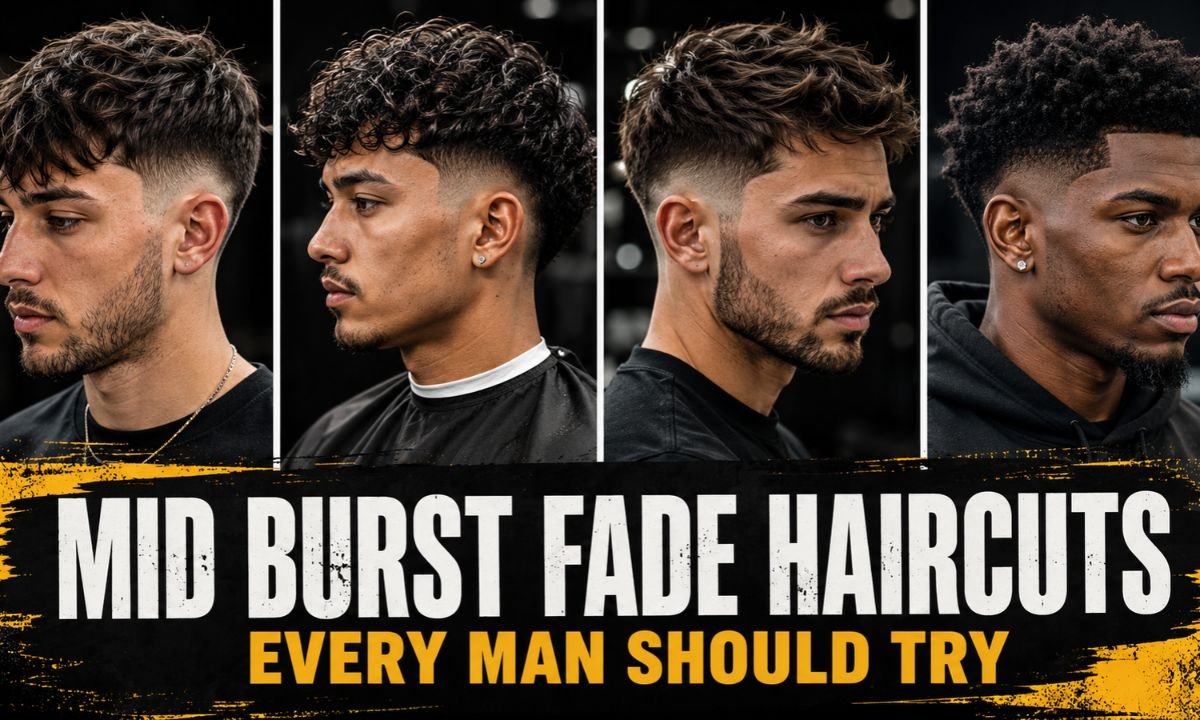
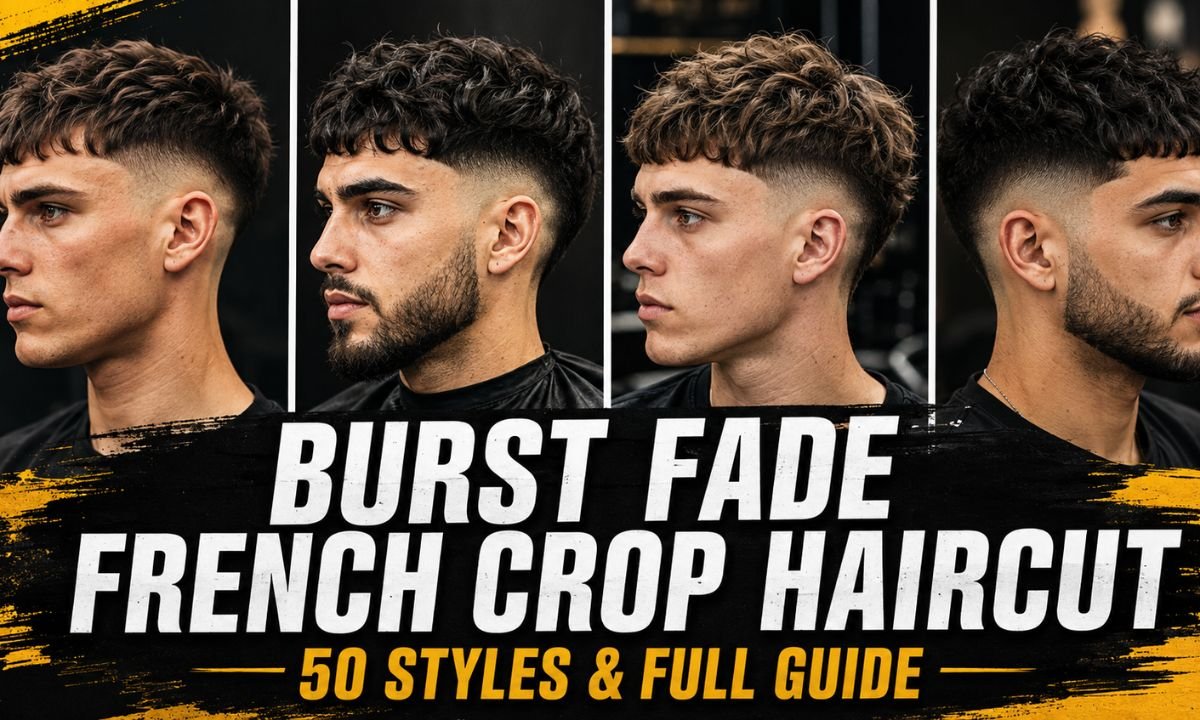
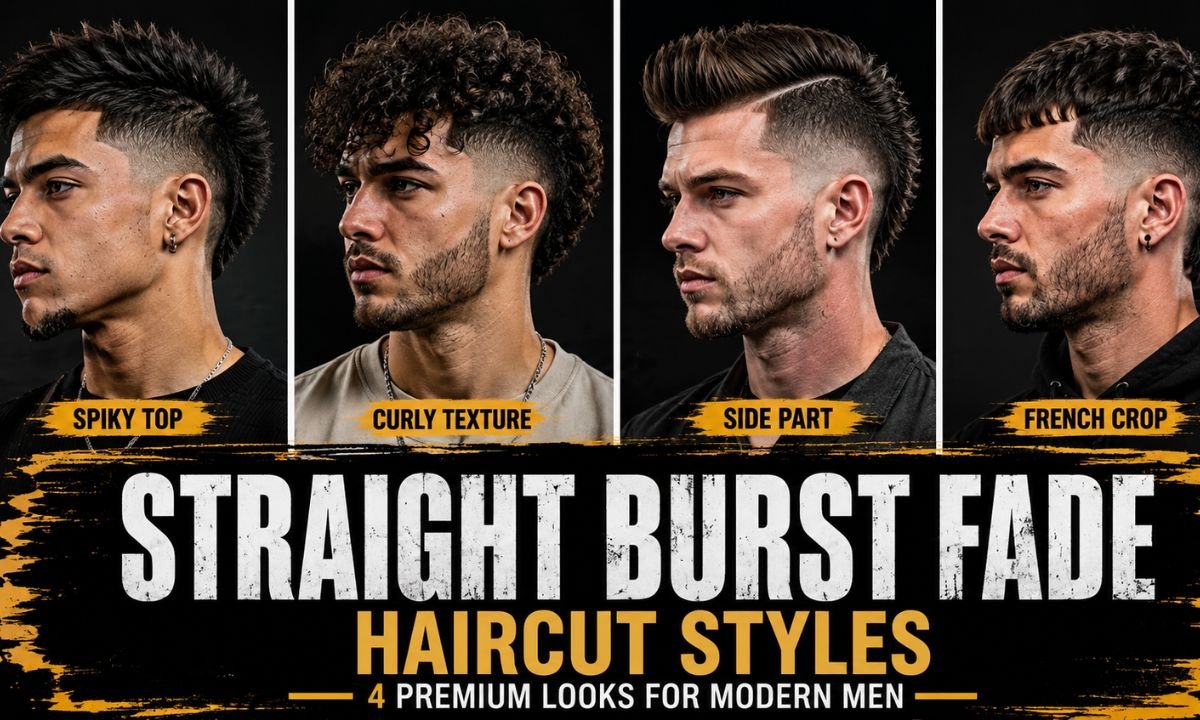
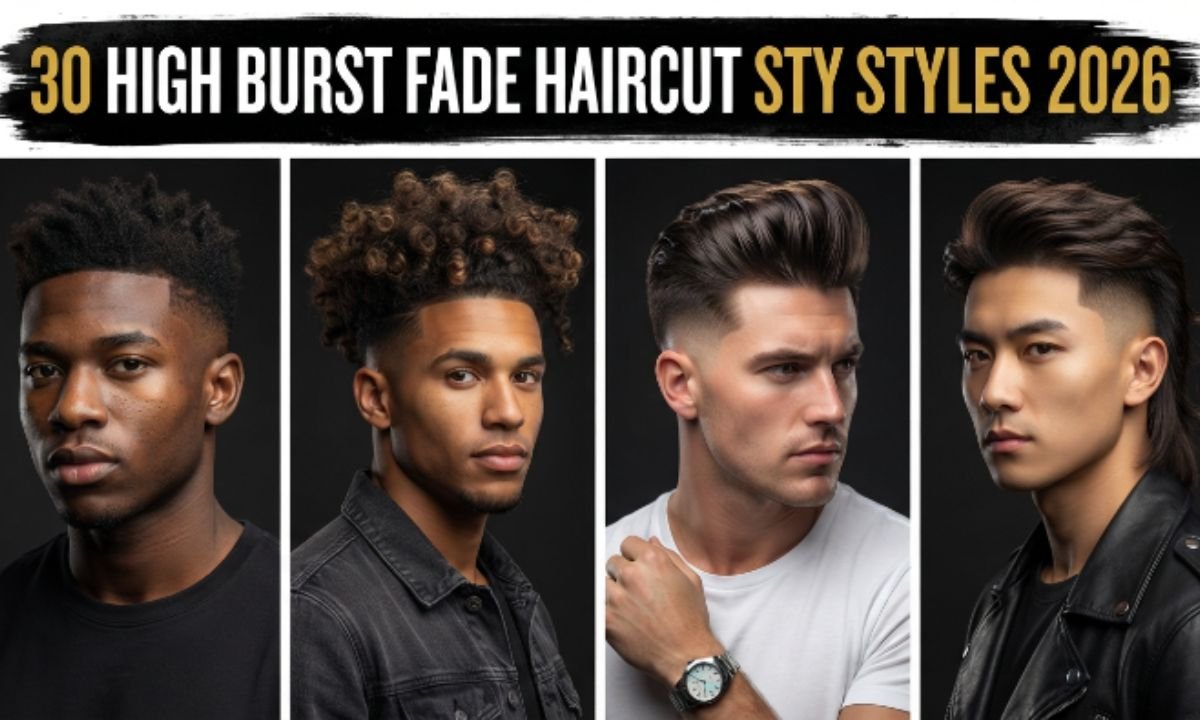
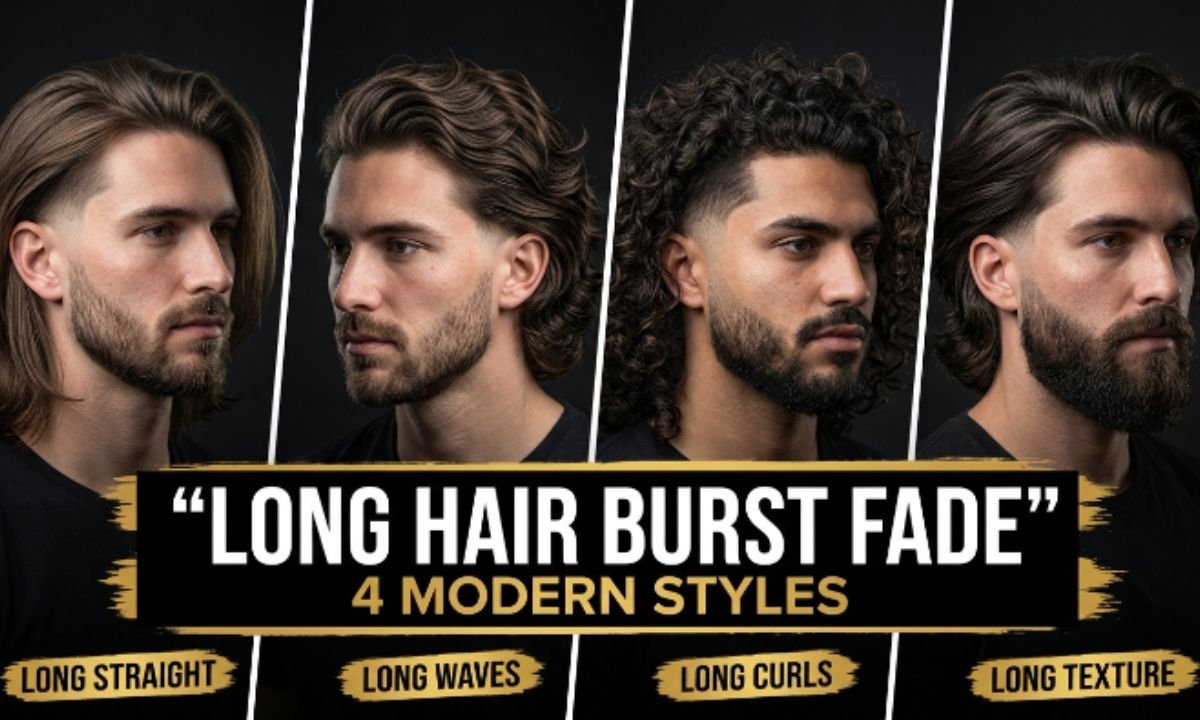
A mid burst fade sits in that sweet spot between subtle and bold, curving around the ear instead of running in a straight line. This guide breaks down 30 distinct ways to wear it, matched to different hair types, face shapes, and lifestyles. Whether you want something low-key for the office or a statement cut for weekends, there’s a version here that fits.
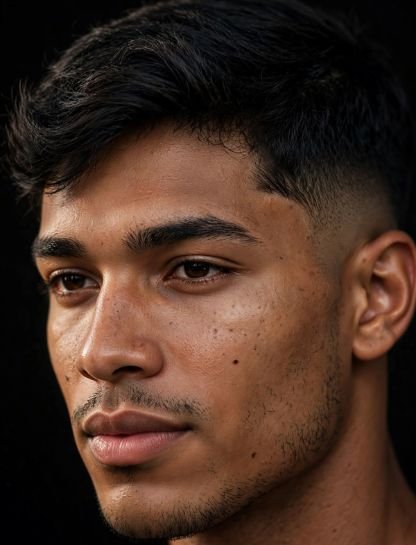
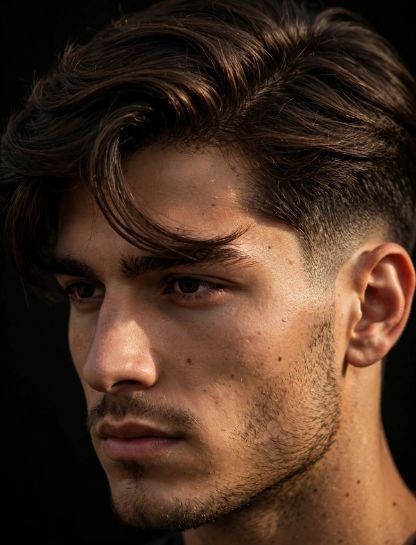
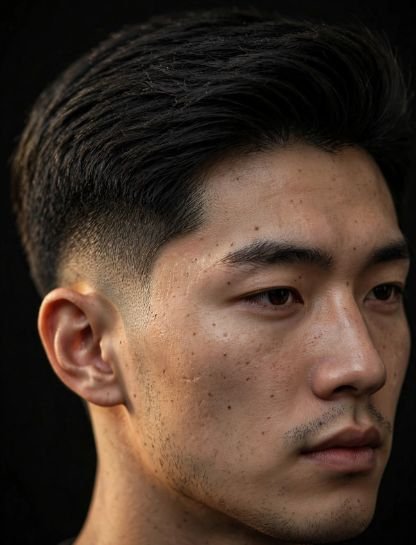
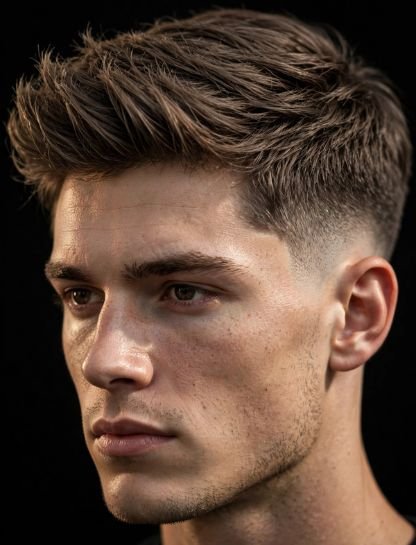
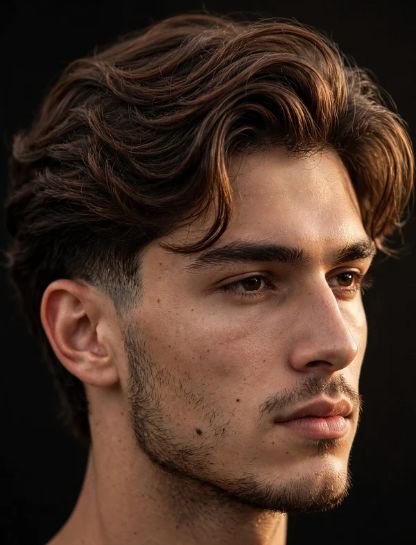
A mid burst fade gives you contrast without going overboard. The curved blend around the ear softens the transition, so the cut looks intentional rather than harsh.
It also works with almost any top style. Because the fade height sits at the temple, you get room to experiment above it — long, short, curly, straight, it doesn’t matter.
Men also pick this cut because it photographs well. The rounded shape catches light differently than a straight fade, which is why barbers often recommend it for anyone who takes a lot of headshots or wants a cleaner on-camera look.
Finally, it’s practical. A mid burst grows out more gracefully than a high fade, meaning fewer emergency barber trips when your schedule gets busy.
Benefits of a Mid Burst Fade
Balanced contrast: Not as sharp as a skin fade, not as soft as a taper — it hits the middle ground most men actually want.
Face-shape flexibility: The curved line around the ear can visually narrow a round face or soften angular jawlines, depending on how it’s cut.
Longer wear between cuts: Because the shortest point sits below the temple, regrowth is less noticeable than with a high burst.
Works with facial hair: The curve blends naturally into sideburns, making it easier to connect with a beard later if you decide to grow one.
Adaptable to any texture: Straight, wavy, curly, and coily hair all take the mid burst shape well, unlike some fades that only look sharp on specific textures.
30 Modern Mid Burst Fade Styles
1. Classic Mid Burst Crop
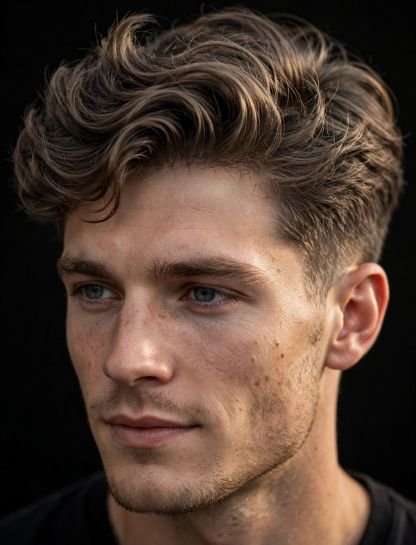
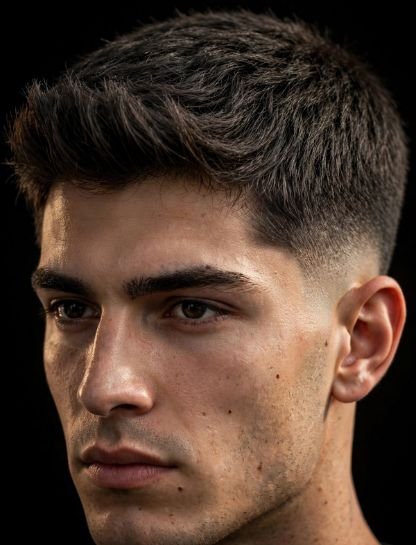
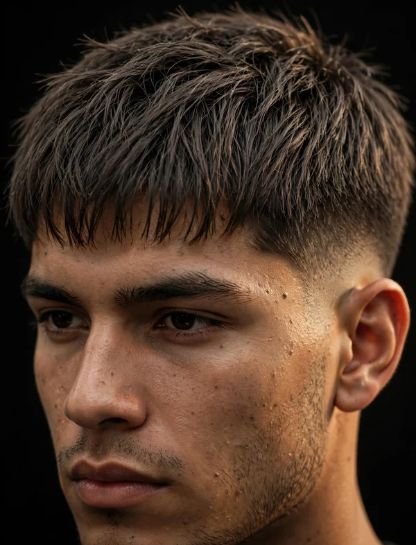
This is the baseline version — a short, textured top with a clean mid burst curving around the ear. The crop sits forward and slightly messy, giving a lived-in finish without looking unkempt. It suits nearly every hair density and works whether you’re straightening it out for work or leaving it natural for the weekend. Color stays simple here; most men keep it close to their natural shade to let the shape do the talking.
Best For: Straight to slightly wavy hair, oval or square face shapes.
Tell Your Barber: “Mid burst around the ears, keep the top textured and about two inches.”
Maintenance: Trim every 3–4 weeks to keep the burst line defined.
2. Modern Mid Burst Taper
Unlike a full fade, this version keeps the sides slightly softer while still showing a clear burst shape at the temple. It’s a good entry point if you’ve never worn a fade before and want something less dramatic. The top stays a bit longer than the classic crop, giving you more to style with a comb or brush. It reads as polished rather than edgy.
Best For: First-time fade wearers and professional settings.
Tell Your Barber: “Taper into a mid burst, nothing too aggressive on the sides.”
Maintenance: Every 4 weeks; tapers hold their shape longer than tighter fades.
3. Low-to-Mid Transitional Fade
This style starts low near the ear and gradually climbs into a mid burst arc, giving a more gradual contrast than a true mid burst. It’s ideal for anyone who wants the burst effect but isn’t ready for strong contrast near the temple. The gradual rise makes the cut look almost seamless from a distance. It’s a subtle way to test the style before going bolder.
Best For: Fine hair, men who want a subtle first fade.
Tell Your Barber: “Start the fade low and let it rise gradually into a mid burst.”
Maintenance: Every 4–5 weeks since the gradual blend hides regrowth well.
4. High-Contrast Mid Burst
Here, the shortest guard drops close to skin at the bottom of the burst, creating sharp contrast against a longer top. This is the version barbers use for editorial or portfolio photos because the line work is so visible. It demands a confident personality since it draws the eye immediately. Dark hair against pale skin makes the contrast pop even more.
Best For: Thick, dark hair; men who want a bold statement look.
Tell Your Barber: “Take it down to the skin at the shortest point, a sharp mid burst line.”
Maintenance: Every 2–3 weeks to keep the skin-close area from growing in.
5. Curly Mid Burst Fringe
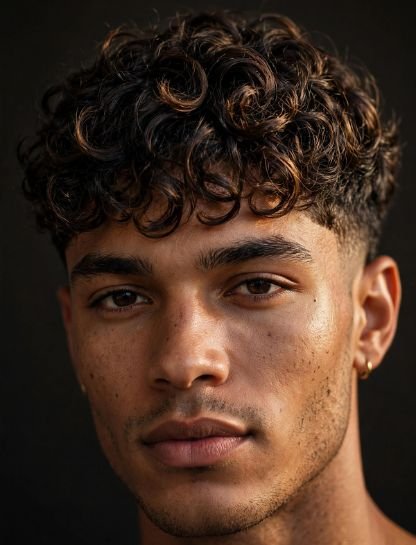
The top is left long enough for natural curls to fall forward into a soft fringe, while the sides curve into a clean mid burst. This style relies entirely on the natural curl pattern, so no heat styling is needed. It looks effortless but actually requires good moisture care to keep curls defined instead of frizzy. The contrast between tight sides and loose curls up top is what makes it stand out.
Best For: Curly hair types (2C–3B), rounder face shapes.
Tell Your Barber: “Leave the curls long on top, mid burst on the sides only.”
Maintenance: Trim sides every 3 weeks; top rarely needs cutting, just shaping.
6. Wavy Mid Burst Swirl
Waves are directed into a soft swirl pattern at the crown instead of falling flat, adding subtle movement without heavy product. The mid burst underneath keeps the sides clean so the swirl reads clearly. This works especially well for men with natural waves who want texture without going fully curly. A light sea salt spray brings out the pattern without weighing hair down.
Best For: Wavy hair, medium-length tops.
Tell Your Barber: “Cut the crown to encourage a swirl; keep the burst clean underneath.”
Maintenance: Every 3–4 weeks; waves hide regrowth fairly well.
7. Coily Mid Burst Halo
The top forms a rounded, halo-like shape from tightly coiled hair, while the mid burst frames it neatly at the sides. This style celebrates the natural coil pattern rather than fighting it with heat. Length on top can range from two to five inches depending on how full you want the halo shape. Moisture is everything here — dry coils lose their shape fast.
Best For: Coily hair (4A–4C), any face shape since the halo balances proportions.
Tell Your Barber: “Round the shape on top and clean mid burst around the halo.”
Maintenance: Trim the burst every 2–3 weeks; the top mostly needs moisture care, not cutting.
8. Textured Mid Burst Quiff
The front section is lifted and pushed slightly back, creating volume without a full pompadour’s height. Texture is added through point-cutting so the quiff doesn’t look too smooth or stiff. This version works for men who want some volume but not an aggressive, sculpted look. It’s one of the more versatile styles on this list since it can be dressed up or down easily.
Best For: Medium-thick hair, longer or oval faces.
Tell Your Barber: “Point-cut the front for texture, lift it slightly, mid burst on the sides.”
Maintenance: Every 4 weeks; occasional root touch-up with a blow dryer keeps volume.
9. Side-Swept Mid Burst
Hair on top is combed to one side rather than styled upward, giving a softer, more approachable look than a quiff or pompadour. The mid burst on the shorter side creates visual balance against the swept length. This is a good choice for men who prefer minimal styling time — a comb and a small amount of product are all it takes. It also works well for hiding a receding hairline early on.
Best For: Straight or wavy hair, receding or uneven hairlines.
Tell Your Barber: “Sweep the top to one side, mid burst fade underneath.”
Maintenance: Every 4 weeks; the swept style hides growth well between cuts.
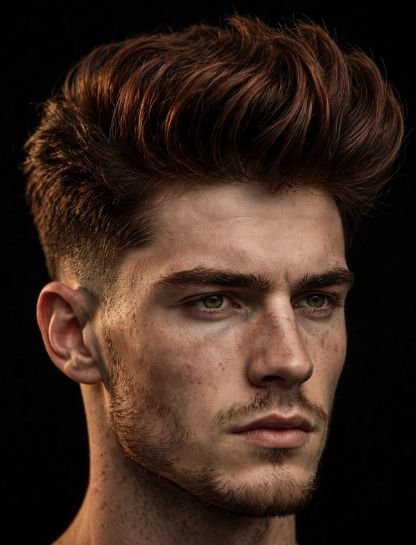
10. Mid Burst Pompadour
A rounded, lifted front section rolls back into the rest of the top, sitting on top of a clean mid burst. This is a bigger, bolder version of the quiff, built for men who like a strong silhouette. It needs a stronger hold product to keep the roll from collapsing throughout the day. The pompadour shape works especially well on men with thicker hair that holds volume naturally.
Best For: Thick or coarse hair, angular or square faces.
Tell Your Barber: “Big pompadour roll at the front, mid burst blend on the sides.”
Maintenance: Every 3–4 weeks; daily styling required to maintain the roll.
11. Mid Burst Undercut
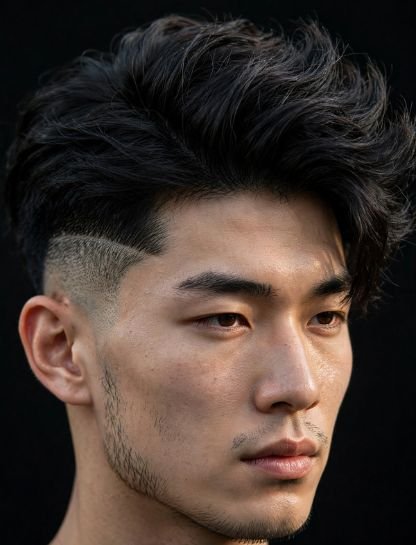
The sides are cut noticeably shorter than the top with a visible line of separation, rather than a gradual blend. The mid burst still curves around the ear, but the contrast between top and sides is sharper than most fades on this list. This gives a more graphic, disconnected look that pairs well with slicked-back or textured tops. It’s a favorite among men who want an edgier silhouette without going full mohawk.
Best For: Bold personal style, thick or medium hair density.
Tell Your Barber: “Disconnected undercut with a mid burst curve, not a gradual blend.”
Maintenance: Every 3 weeks to keep the disconnected line crisp.
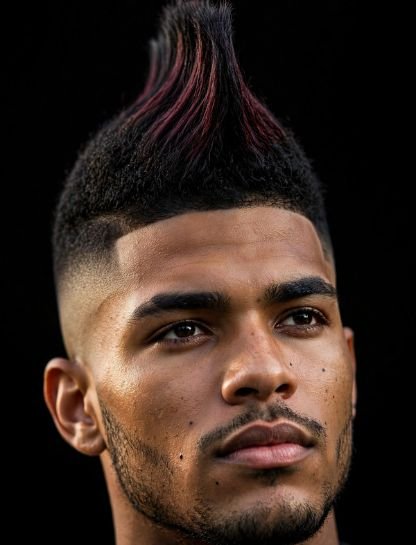
12. Mid Burst Faux Hawk
A raised strip of hair runs down the center of the top, tapering into the mid burst on both sides. Unlike a true mohawk, the sides aren’t shaved bare — they’re simply shorter, keeping the overall shape softer. This style suits men who want an edgy look for specific occasions without committing to it daily, since the strip can be styled flatter when needed. Strong-hold paste is essential to keep the center lifted.
Best For: Round or square faces, occasions needing a bolder statement.
Tell Your Barber: “Leave a center strip longer, mid burst tapering in from both sides.”
Maintenance: Every 3–4 weeks; daily restyling needed to keep the strip upright.
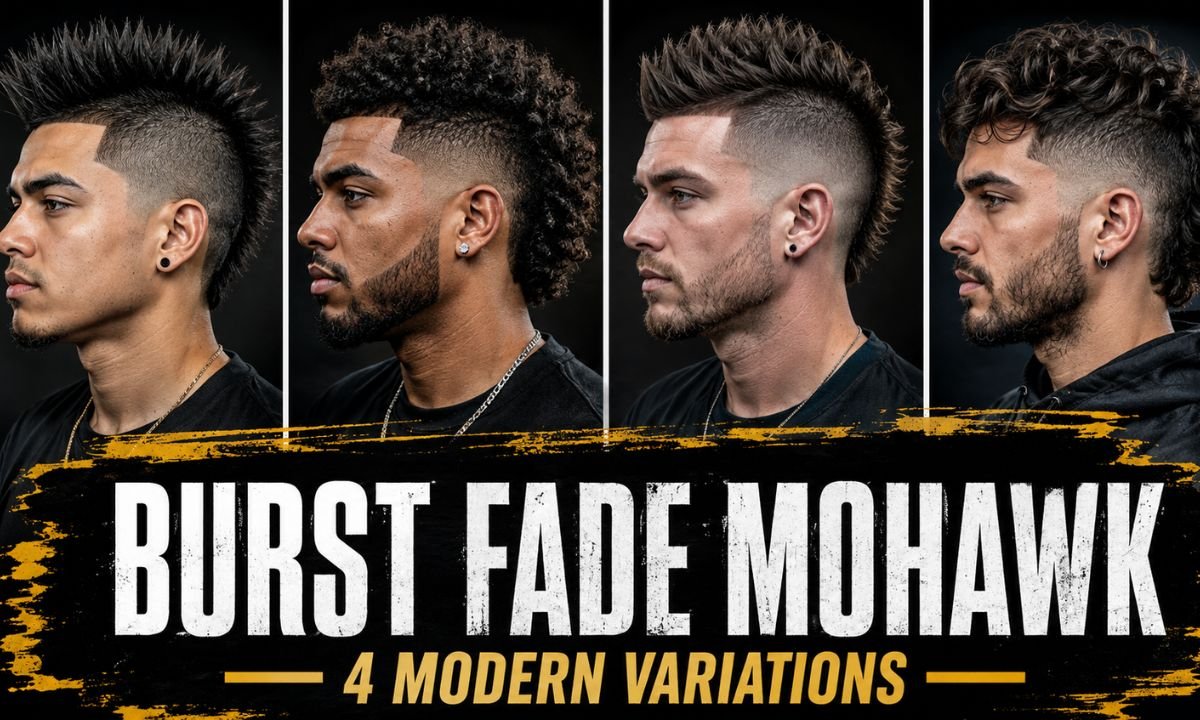
13. Mid Burst Mohawk
This is the more committed version of the faux hawk — the center strip is more defined, and the sides drop closer to skin at the shortest point of the burst. It’s less about subtlety and more about making a clear statement. Color contrast (like a lighter strip against darker sides) is common with this style to emphasize the shape. It suits confident personalities more than conservative work environments.
Best For: Statement-driven personal style, thicker hair for a fuller strip.
Tell Your Barber: “True mohawk strip, mid burst dropping close to skin on both sides.”
Maintenance: Every 2–3 weeks; sides grow in fast and blur the shape quickly.
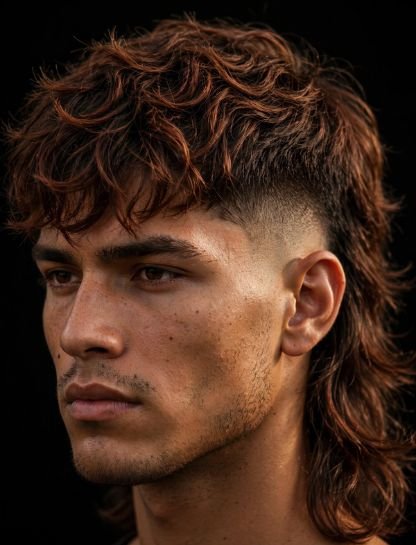
14. Mid Burst Mullet
Short, clean sides curve into a mid burst while the back is left noticeably longer, creating the classic mullet silhouette with a modern edge. This version avoids looking dated by keeping the sides sharp and the top textured rather than flat. The length in the back can range from just past the collar to several inches, depending on how bold you want to go. It’s become popular with men who want a retro nod without an old-fashioned finish.
Best For: Wavy or straight hair, men comfortable with longer back length.
Tell Your Barber: “Mid burst on the sides, leave the back long for a modern mullet.”
Maintenance: Every 4–5 weeks; back length needs occasional shaping to avoid split ends.
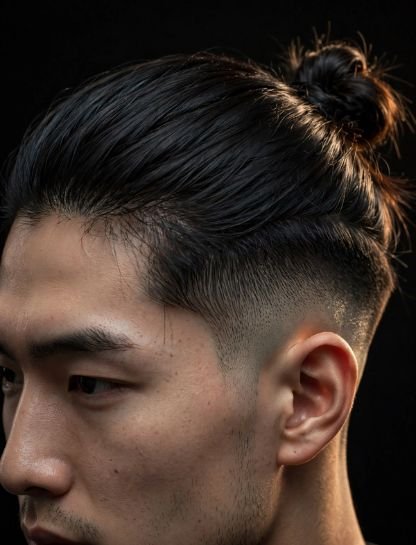
15. Mid Burst Man Bun
The top is grown long enough to gather into a small bun or knot, while the sides stay short with a mid burst curve. This gives you the best of both worlds — a professional, tidy look when tied up and a longer style when let down. It takes months of growing out the top before the bun becomes practical, so patience is part of the process. Smoothing cream on the sides keeps flyaways under control.
Best For: Long top growth (6+ inches), active lifestyles.
Tell Your Barber: “Keep the top long enough to tie back and clean the mid-burst on the sides.”
Maintenance: Every 4 weeks on the sides only; the top just needs occasional trims to avoid split ends.
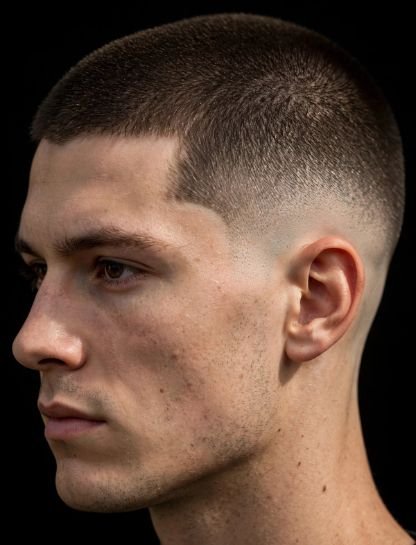
16. Mid Burst Buzz
A short, uniform length across the top pairs with a mid burst arc for a low-maintenance, no-styling option. This is the easiest cut on the list to maintain since there’s essentially nothing to style each morning. It works best on men with a well-shaped head, since there’s no length to disguise irregularities. The contrast between the buzzed top and the burst shape still gives it more personality than a plain buzz cut alone.
Best For: Active lifestyles, minimal styling time, and well-proportioned head shape.
Tell Your Barber: “Buzz the top to a guard two, mid burst fade on the sides.”
Maintenance: Every 2–3 weeks, since short hair shows regrowth quickly.
17. Mid Burst Crew Cut
Slightly longer than a buzz, the crew cut keeps a bit of length at the front for minor styling while the mid burst handles the sides. It’s a step up in versatility from the buzz without requiring much extra effort. A small amount of product at the front adds texture without looking overdone. This is a reliable option for men transitioning from a buzz cut into something with a bit more shape.
Best For: Straight or thick hair, low-maintenance routines with slight styling.
Tell Your Barber: “Crew cut length on top, a bit longer at the front, mid burst sides.”
Maintenance: Every 3 weeks to maintain the length difference between front and back.
18. Blunt Fringe Mid Burst
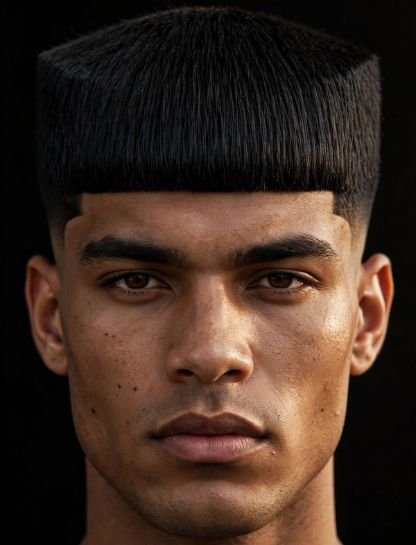
A straight-across, boxy fringe sits at the front, cut with sharp precision rather than tapered edges. The mid burst on the sides contrasts with the blunt, geometric line up top. This look reads as more fashion-forward and works particularly well with thick, straight hair that holds a clean line. It’s less forgiving of cowlicks, so a barber needs to check your hairline pattern before committing to this shape.
Best For: Thick, straight hair with no strong cowlick at the front.
Tell Your Barber: “Blunt, straight-across fringe, mid burst curve on the sides.”
Maintenance: Every 3 weeks; the sharp fringe line grows out noticeably fast.
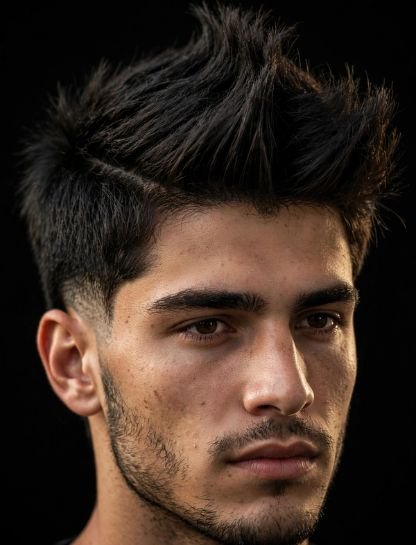
19. Spiky Mid Burst
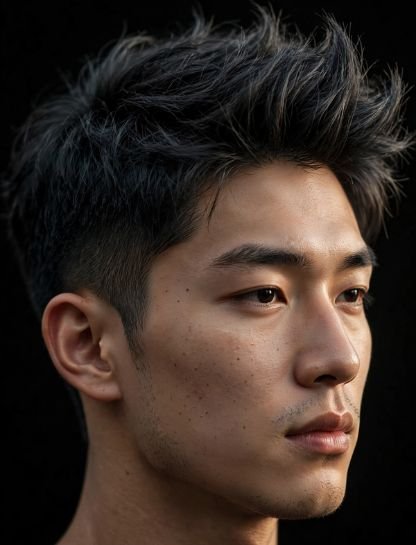
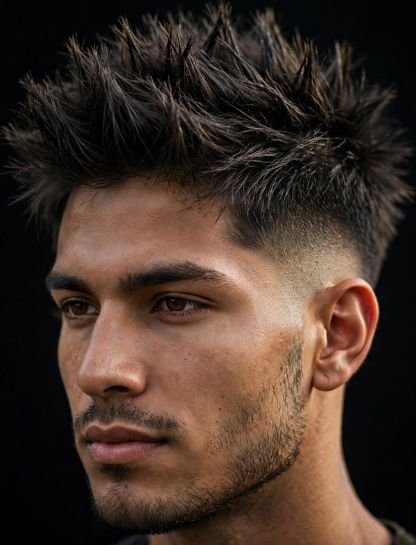
Short spikes are styled upward across the entire top using a strong-hold paste, paired with a mid burst underneath for contrast. This style has an energetic, youthful feel and works best on shorter top lengths where spikes hold their shape all day. It’s a low-length option for men who still want texture and movement without committing to longer hair. Matte finishes work better here than shiny gels, which can look dated.
Best For: Coarse or medium-thick hair, younger or casual settings.
Tell Your Barber: “Short spiky texture on top, mid burst blend on the sides.”
Maintenance: Every 3–4 weeks; daily restyling needed to keep spikes upright.
20. Slicked Mid Burst
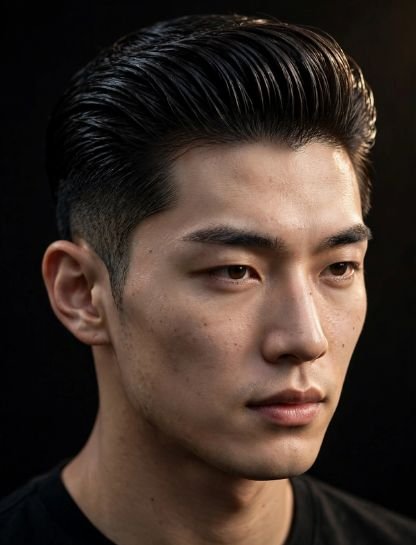
All the hair on top is combed straight back into a smooth, glossy finish, contrasted against the curved mid burst underneath. This is one of the more formal options on the list, often chosen for weddings, interviews, or events where a polished look matters. It requires enough length to comb back cleanly — usually three inches or more. A strong pomade with shine is what makes this style work; matte products won’t hold the same sleek finish.
Best For: Formal occasions, straight hair with enough length to slick back.
Tell Your Barber: “Enough length on top to slick straight back, mid burst on the sides.”
Maintenance: Every 4 weeks; daily combing and pomade needed to maintain the slick finish.
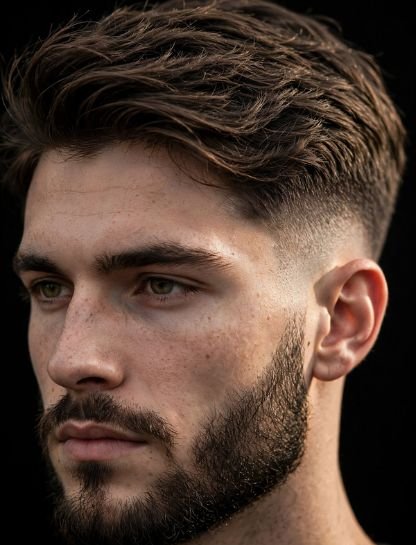
21. Mid Burst with Beard Taper
The mid burst on the head connects seamlessly into a tapered beard along the jawline, creating one continuous line from temple to chin. This requires coordination between the haircut and beard trim, so it’s worth asking one barber to handle both. It gives a more finished, deliberate look than treating hair and beard as separate projects. Facial hair density matters here — patchy beards won’t blend as cleanly.
Best For: Men growing a full or near-full beard and defined jawlines.
Tell Your Barber: Blend the mid burst directly into the beard taper at the jaw.
Maintenance: Every 3 weeks for both head and beard to keep the connection clean.
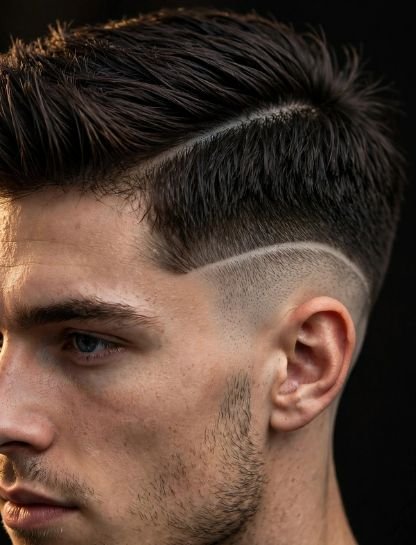
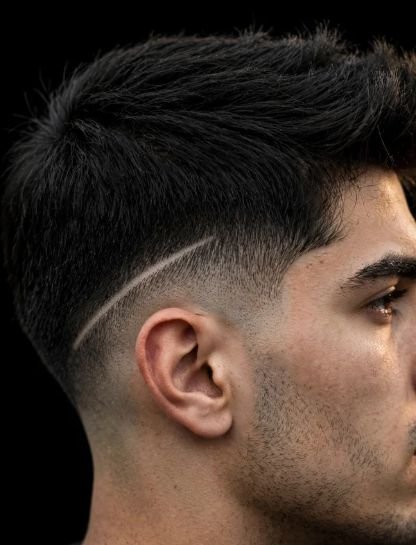
22. Mid Burst Line Design
A thin, shaved line is etched into the shortest part of the burst, adding a graphic detail without changing the overall silhouette. This is a subtle way to personalize a standard mid burst without going for a full pattern. It works best on darker hair where the line shows clear contrast against the skin. The design needs to be re-cut with every trim, or it grows out and disappears within a couple of weeks.
Best For: Darker hair colors for maximum line visibility, personal expression.
Tell Your Barber: “Standard mid burst, add a single shaved line through the shortest section.”
Maintenance: Every 2 weeks; the line fades faster than any detail on this list.
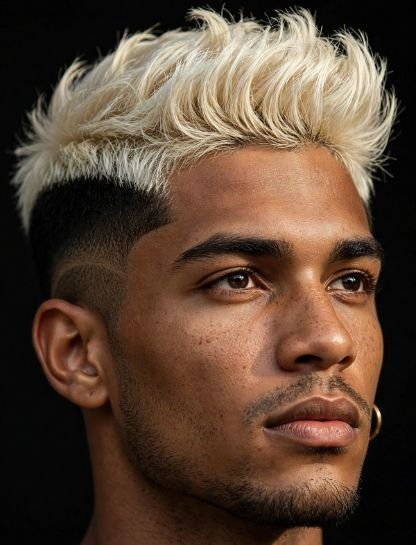
23. Two-Tone Mid Burst
The top is dyed a noticeably different shade from the natural color at the sides, creating a bold color-block effect above the burst line. This isn’t about subtle highlights — it’s a deliberate contrast, like platinum on top with natural dark sides. It’s a bigger commitment than most styles here since it involves ongoing color maintenance, not just cutting. Damage prevention matters if you’re lightening hair significantly, so a good bond-repair treatment is worth the investment.
Best For: Men comfortable with regular salon visits and lighter or thinner hair that lifts color easily.
Tell Your Barber: “Standard mid burst shape, but I want the top color-blocked differently from the sides.”
Maintenance: Root touch-ups every 4–6 weeks; haircut maintenance every 3–4 weeks.
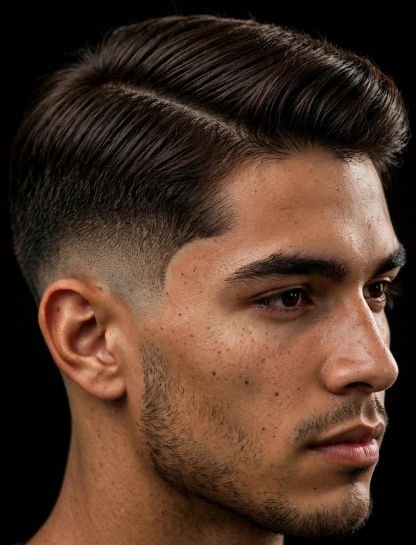
24. Mid-Burst Comb-Over
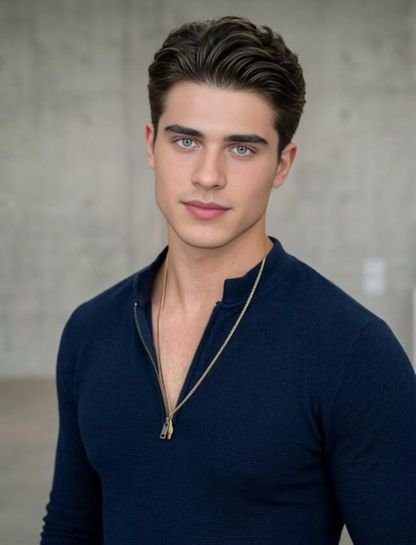
A classic side part combs the top neatly across, weighted toward one side, while the mid burst handles the sides beneath it. It’s more restrained than a pompadour or quiff, aiming for tidy rather than voluminous. This suits conservative workplaces where a big-styled top might feel out of place. A light-hold cream keeps the part clean without the stiff, shiny look of stronger pomades.
Best For: Professional environments, straight hair that holds a part easily.
Tell Your Barber: “Comb-over part, weighted to one side, mid burst underneath.”
Maintenance: Every 4 weeks, the part line stays clean with minimal upkeep.
25. Mid-Burst Ivy League
A close cousin to the comb-over, but shorter overall and styled with less lift, giving a neat, understated finish. The top rarely exceeds two inches, keeping styling time to almost nothing. The mid burst gives it just enough edge to avoid looking plain. It’s a dependable choice for men who want to look put-together without spending time on daily styling.
Best For: Busy schedules, conservative or corporate settings.
Tell Your Barber: “Short Ivy League length on top, mid burst on the sides, minimal product.”
Maintenance: Every 3–4 weeks; short length keeps upkeep simple.
26. Mid Burst Executive Crop
Slightly longer and more textured than the Ivy League, this version adds a bit of movement at the front for men who want a modern edge in a formal setting. The mid burst stays clean and tight, keeping the overall look sharp for meetings or client-facing roles. A small amount of matte product adds texture without looking overstyled. It bridges the gap between a strict corporate cut and something with a bit more personality.
Best For: Client-facing professions, straight to wavy hair.
Tell Your Barber: “Executive crop, slightly textured front, and clean mid burst on the sides.”
Maintenance: Every 3–4 weeks to keep the texture from growing shaggy.
27. Mid Burst Curl Sponge Twist
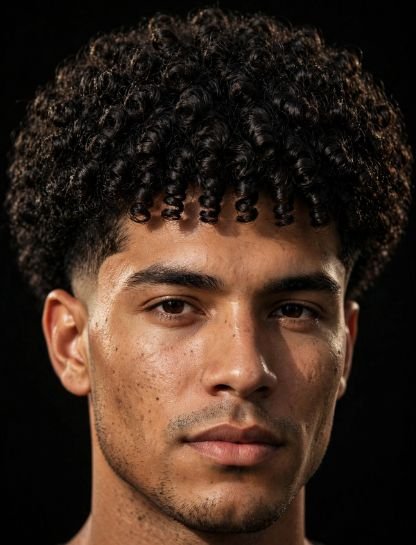
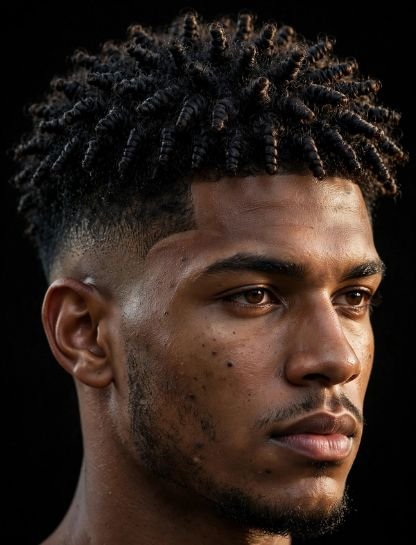
Defined, spiral-shaped twists are formed using a curl sponge tool, sitting on top of a tightly cut mid-burst. This technique works specifically for coily and tightly curled hair, creating uniform twist patterns rather than loose curls. The result is textured, structured, and low-maintenance once the twists are set. A light, water-based cream keeps the twists defined without buildup over several days.
Best For: Coily hair (4A–4C) seeking defined texture over a natural curl look.
Tell Your Barber: “Keep the top long enough for sponge twists and tight mid burst on the sides.”
Maintenance: Re-twist every 1–2 weeks; trim burst every 3 weeks.
28. Mid Burst Bro Flow
Hair is left long and layered, then styled to flow naturally back off the forehead without a rigid part or strict direction. This casual, athletic style pairs surprisingly well with the structure of a mid-rise bust underneath. It suits men with natural wave or movement in their hair, since flat, straight hair won’t hold the flowing shape as easily. Minimal product is used — usually just a texturizing spray to enhance natural movement.
Best For: Wavy hair and active or casual lifestyles.
Tell Your Barber: “Longer layers on top for a natural flow-back look and mid-burst on the sides.”
Maintenance: Every 4–5 weeks; the following style hides regrowth well.
29. Mid Burst Crop for Fine Hair
Specifically cut to maximize the appearance of density, this version uses shorter layers and a slightly forward direction to disguise thin or fine hair. The mid burst is kept tighter than usual, since a bigger contrast between short sides and the top makes hair look fuller by comparison. Texturizing powder at the root adds lift without weighing hair down, which heavier products tend to do on fine strands. This is a targeted solution rather than a general style choice.
Best For: Fine or thinning hair and men wanting a fuller appearance.
Tell Your Barber: “Keep layers short for density, with a tighter mid burst than usual for contrast.”
Maintenance: Every 3 weeks; fine hair shows an unkempt fade line faster than thick hair.
30. Mid Burst Disconnected Top
The top is left noticeably long and heavy, while the mid burst underneath is cut close, creating a sharp, deliberate contrast rather than a smooth blend. This is one of the boldest options on the list, popular with men who want their haircut to feel current and slightly unconventional. It photographs dramatically due to the strong line between lengths. Styling direction is flexible — forward, back, or side-swept — since the statement comes from the contrast, not the top’s direction.
Best For: Thick hair, men wanting a fashion-forward, editorial look.
Tell Your Barber: “Keep the top heavy and disconnected; mid burst cut close underneath.”
Maintenance: Every 2–3 weeks to keep the disconnection sharp and visible.
How to Get a Mid-Burst Fade
Getting this cut right depends more on communication than luck. Follow these steps for a smooth barber visit:
Bring a reference photo. “Mid-burst” can mean slightly different things to different barbers, so a photo removes the guesswork.
Specify the guard number at the shortest point. Whether you want skin, a 0.5, or a 1 changes the contrast significantly.
Decide on top length first. The burst shape stays fairly consistent, but top length determines which of the 30 styles above actually fits.
Mention your hair type. Curly, coily, and straight hair all fade differently, and an experienced barber will adjust their technique accordingly.
Ask about growth pattern. If you have a cowlick or unusual hairline, flag it before the clippers come out.
Common Mistakes to Avoid
Skipping the reference photo: Verbal descriptions alone lead to mismatched expectations more often than people expect.
Choosing too much contrast for thin hair: A high-contrast burst can make fine or thinning hair look sparser by comparison.
Waiting too long between trims: Mid-bursts grow out faster than people assume, especially the closer-to-skin variations.
Using heavy products on curly or coily styles: Thick pomades and gels can weigh down natural curl patterns and kill definition.
Ignoring beard connection: If you have facial hair, a mismatched fade and beard line looks unfinished — ask your barber to blend both.
Not accounting for cowlicks: A style that ignores your natural hair growth pattern will look uneven no matter how well it’s cut.
Best Hair Products for a Mid-Burst Fade
Matte clay: Best for textured, natural-looking finishes without shine — good for crops, quiffs, and disconnected tops.
Pomade: Ideal for slicked-back or comb-over styles that need shine and strong hold.
Curl cream: Essential for curly and coily styles to define pattern without frizz.
Sea-salt spray: Adds texture and grit for wavy or beach-style finishes.
Texturizing powder: Adds root lift for fine hair without adding weight.
Strong-hold paste: Needed for spikes, faux hawks, and mohawks that require vertical hold all day.
Frequently Asked Questions
What makes a mid burst fade different from a low or high burst?
A mid burst peaks around the temple, while a low burst stays tight to the ear and a high burst climbs above the temple line.
How often do I need to trim a mid burst fade?
Most men need a trim every 2–4 weeks depending on how close to skin the shortest point is cut.
Does a mid burst fade work with curly hair?
Yes, curly and coily hair both take a mid burst well, though maintenance and product choice differ from straight hair.
Can I connect a mid burst fade to a beard?
Yes, many barbers blend the fade directly into a tapered beard for a seamless, connected look.
Is a mid burst fade suitable for professional workplaces?
Yes, lower-contrast versions like the Ivy League or comb-over styles work well in conservative or corporate settings.
Will a mid burst fade suit a round face?
Yes, especially versions with added height on top, like the pompadour or quiff, which help elongate a rounder face.
What’s the biggest mistake people make with this haircut?
Not bringing a reference photo, which leads to mismatched expectations between the client and barber.
Final Thoughts
A mid burst fade isn’t a single haircut — it’s a framework that adapts to almost any hair type, face shape, and lifestyle. From low-maintenance buzz cuts to bold two-tone color blocks, the 30 styles above show just how flexible this shape can be.
The key to getting it right is clear communication with your barber and realistic expectations about maintenance. Pick the version that matches your hair type and daily routine, and this cut will stay sharp for years to come.
Hi, I’m Oliver Bennett. I’m passionate about men’s hairstyles and love exploring modern cuts that are easy to understand and easy to ask your barber for. On this website, I share simple guides on styles like burst fades, mullets, curtain cuts, tapers, and other trending men’s hairstyles. My goal is to help you find a haircut that matches your hair type, face shape, and personal style.


4 thought on “30 Mid Burst Fade Haircuts Every Man Should Try for a Sharp Modern Look in 2026”